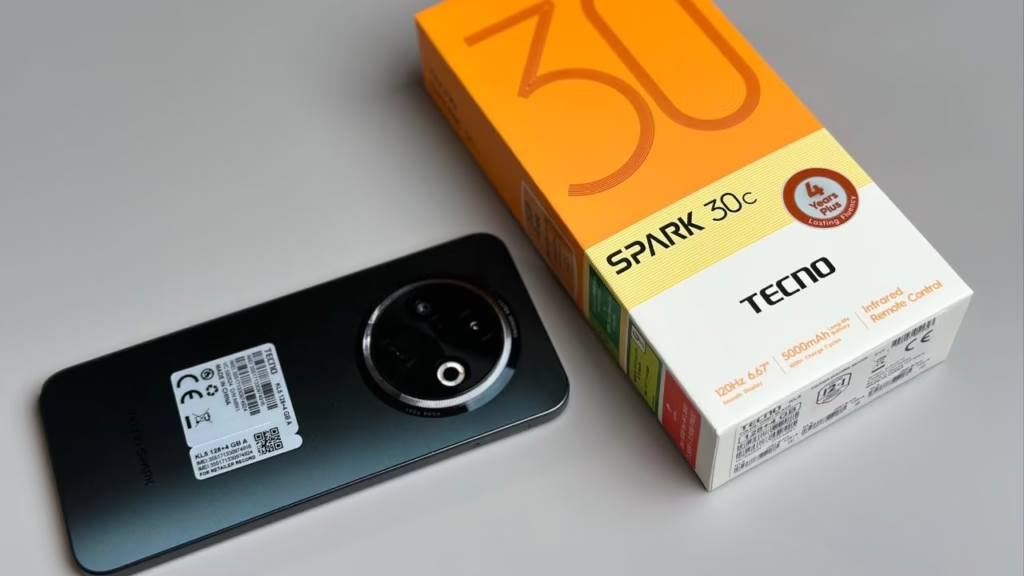
Budget smartphones are everywhere in Nigeria, but finding one that actually delivers value without major compromises is tricky. The Tecno Spark 30C, launched in September 2024, enters an already crowded market with promises of a smooth display, decent camera, and all day battery life at an affordable price.
At around 139,000 to 210,000 naira depending on the configuration, the Spark 30C sits in that entry to mid budget space where every feature counts. Buyers in this price range need phones that work reliably for daily tasks without constant frustration.
The question is whether the Spark 30C delivers enough to stand out, or if it’s just another forgettable budget phone.

What You’ll Pay
The Tecno Spark 30C comes in multiple configurations with different price points. The 4GB RAM with 128GB storage variant costs around 139,000 to 159,000 naira. The 6GB RAM with 128GB storage goes for approximately 197,000 to 210,000 naira. There are also 4GB with 256GB and 8GB with 256GB variants at higher prices.
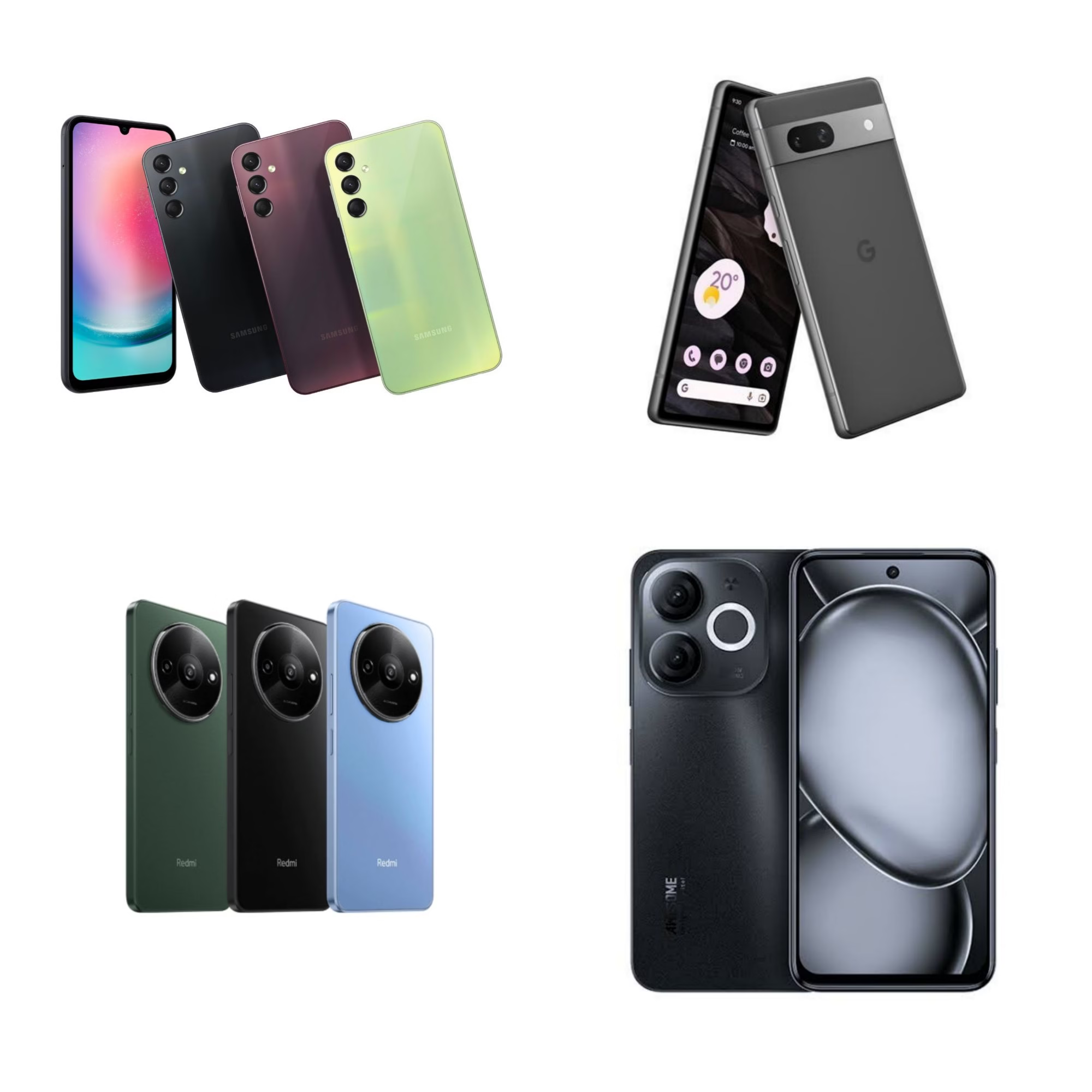
Most Nigerian buyers will encounter the 4GB or 6GB with 128GB versions as they’re the most common and affordable options. The pricing puts the phone in direct competition with devices from Infinix, Xiaomi’s Redmi series, and even Samsung’s entry level offerings.
For this price range, expectations need to be realistic. This isn’t a phone that will wow anyone with cutting edge features. It needs to handle basics well without falling apart.
The Display Looks Good

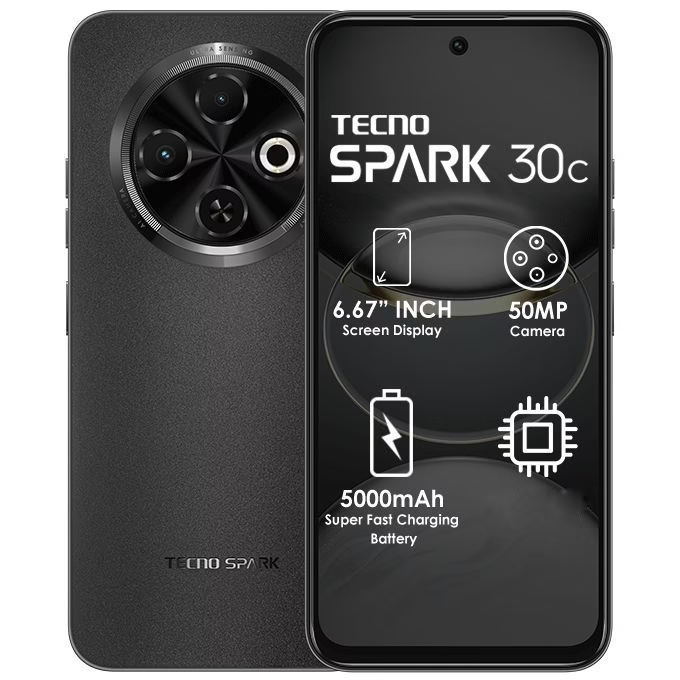
The Spark 30C features a 6.67 inch IPS LCD display with 720 x 1600 pixel resolution and 120Hz refresh rate. The screen is genuinely large, making it comfortable for watching videos, browsing social media, or reading.
The 120Hz refresh rate is the standout feature here. Scrolling through apps feels noticeably smoother than standard 60Hz or even 90Hz displays. Once someone experiences 120Hz, going back feels choppy. Having this feature at this price point is impressive.
The resolution is 720p, not Full HD. At 263 pixels per inch, the display isn’t super sharp. Text has slight pixelation if someone looks closely. Images lack the crispness of higher resolution screens. But for everyday use at normal viewing distances, it’s acceptable.
The display reportedly reaches 1000 nits brightness, which helps with outdoor visibility. Under Nigerian sun, the screen remains readable, though not perfectly clear in the harshest conditions. Indoor viewing is comfortable.
Colors are decent for an IPS LCD panel. They’re not as vibrant as AMOLED screens, but they’re not washed out either. Videos look watchable. Photos display reasonably well. It’s what anyone would expect at this price.
The bezels are noticeable, especially the chin at the bottom. The phone looks like a budget device when viewed from the front. But after a few days of use, most people stop noticing.
Performance Is Entry Level
The phone runs on a MediaTek Helio G81 processor with Mali-G52 MC2 GPU. RAM options include 4GB, 6GB, or 8GB, with extended RAM technology that can add up to 4GB more by using storage space.
For basic tasks like calling, texting, WhatsApp, light web browsing, and social media scrolling, the phone performs adequately. Apps open, though not instantly. Switching between apps works, though with occasional delays. The experience is functional but not fast.
The 4GB RAM variant struggles more noticeably. With multiple apps open, the phone slows down. Apps reload frequently when switching back to them. The 6GB or 8GB variants would provide better multitasking, but even those have limits.
Gaming is possible but limited. Very light games like Candy Crush or Temple Run work acceptably. Medium intensity games like Mobile Legends or PUBG Mobile can run on low settings but with compromised graphics and occasional lag. Heavy games are essentially off the table.
The Helio G81 is an entry level chipset. It’s not designed for demanding tasks. Anyone expecting smooth performance across all scenarios will be disappointed. This is a phone for people with modest usage needs.
Some users online report crashes and instability issues, particularly on the 4GB RAM model. While not universal, these complaints suggest quality control or optimization issues that potential buyers should be aware of.
The Camera Does Its Job
The rear camera setup includes a 50MP main sensor with f/1.9 aperture and a 0.08MP auxiliary lens. The front camera is 8MP. Both have LED flash support.
In good daylight outdoors, the 50MP main camera takes usable photos. Colors are vibrant, sometimes overly saturated, but most people prefer this punchy look for social media. Detail is acceptable when viewing at normal sizes. The images are sharp enough for Instagram or Facebook posts.
The large 50MP sensor allows for decent digital zoom. Photos maintain reasonable quality when zooming in moderately, better than shooting and cropping later would provide.
Low light photography is where struggles appear. Indoor photos and evening shots come out noisy and soft. The camera tries to brighten scenes but introduces grain and reduces sharpness. The LED flash helps for close subjects but creates harsh, unnatural lighting.
Portrait mode exists and works inconsistently. Sometimes the edge detection is accurate and background blur looks natural. Other times it messes up, blurring parts of the subject or leaving obvious halos. Results vary enough that users might avoid relying on it.
The 8MP front camera takes acceptable selfies in good light. The images are clear enough for social media and video calls. Low light selfies suffer similar issues as the rear camera. The LED flash on the front helps but creates that artificial flash look.
Video recording maxes out at 1080p. Quality is basic with moderate detail and color accuracy. Stabilization is minimal, so videos can be shaky without a steady hand. It’s sufficient for casual recording but nothing impressive.
The camera app includes various modes and AI features that attempt to enhance photos. Results vary. Sometimes they help, other times they oversaturate or overly process images. The functionality is there, but execution is inconsistent.
Battery Life Holds Up Well
The phone packs a 5000mAh battery with 18W fast charging. This combination provides reliable battery life for most users.
With light to moderate use including calls, messaging, social media browsing, and some video watching, the phone comfortably lasts a full day. The 720p display and efficient processor help extend battery life since they consume less power than higher spec components.
Heavy users who are constantly on their phones might need to charge by evening, but most people will end the day with battery remaining. The large capacity provides a comfortable buffer.
Standby time is excellent. With minimal use, the phone can stretch into a second day easily. For people with irregular charging access or who travel frequently, this reliability is valuable.
The 18W charging is not particularly fast by current standards. From empty to full charge takes approximately two hours. From 0 to 50 percent takes roughly an hour. It’s slower than many competing phones but not painfully slow.
The charger comes in the box with a USB Type C cable, which is appreciated. No need to spend extra money on accessories.
Tecno claims the battery retains at least 80 percent of original capacity after 1,000 charge cycles, promising longevity. Whether this holds true long term remains to be seen, but it’s a positive claim.
Build Quality Feels Budget
The phone measures 6.67 inches in screen size with plastic back and frame. It weighs around 189 grams, which is reasonable for the size.
The plastic construction feels like what it is: a budget phone. There’s no premium touch when holding it. The materials are lightweight and don’t inspire confidence in durability. The phone feels hollow when tapped.
The positive is the IP54 rating for dust and splash resistance. This means the phone can handle dust and water splashes, though not full water submersion. For Nigerian conditions with dust and occasional rain, this protection is practical.
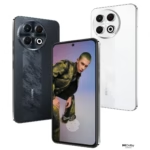
The phone comes in three colors: Orbit Black, Orbit White, and Magic Skin 3.0. The color options provide some variety, though none look particularly premium.
A side mounted fingerprint sensor is included. User reports suggest it works reasonably well, though not the fastest. Sometimes it requires a second attempt. Face unlock is also available and functions in good lighting.
The phone features dual symmetrical speakers with DTS sound enhancement. For a budget device, having stereo speakers instead of a single bottom firing speaker is nice. Sound quality is basic but better than mono setups. Media consumption benefits from the stereo separation.
A 3.5mm headphone jack is present, which is increasingly rare. Users who prefer wired headphones will appreciate this inclusion.
A case should be purchased immediately. The plastic body will scratch easily and doesn’t look like it will survive drops gracefully. Protection is necessary.
Software Needs Cleanup
The phone runs Android 14 with HiOS 14.5. Having the latest Android version is positive, showing Tecno’s effort to provide current software.
HiOS has improved compared to previous versions, with reportedly less bloatware than some competitors. However, pre installed apps still exist. Some can be uninstalled, others only disabled. The interface feels cluttered with unnecessary apps taking up space and attention.
The UI is colorful and animated. Some people enjoy this vibrant aesthetic, others find it busy and distracting. The 120Hz display makes animations smooth, which helps the software feel more responsive.
Notifications can be aggressive. Apps send promotional messages and suggestions frequently. Time will be spent in settings configuring notifications to preferred levels.
The software runs on the Helio G81 hardware without major crashes in normal use, though some users report stability issues. The experience is generally consistent, if not fast.
Tecno promises four years of lasting fluency, but their track record on software updates is inconsistent. Multiple Android version upgrades or regular security patches shouldn’t be expected. One major update might arrive, but long term support is questionable.
Connectivity Covers Basics
The phone supports 4G LTE on all Nigerian networks. No 5G exists, but 5G coverage in Nigeria is still limited, making this less of a concern for most users currently.
WiFi connectivity is reliable with support for standard protocols. Bluetooth 5.0 handles connections to headphones and accessories adequately. GPS with satellite support provides navigation accuracy sufficient for Google Maps and similar apps.
NFC is reportedly included in some variants, useful for contactless payments where supported by banks. FM radio is available for those who still listen to traditional radio.
The phone supports dual SIM cards, which many Nigerians need for managing different networks. A dedicated microSD card slot allows storage expansion without sacrificing dual SIM functionality.
USB Type C with OTG support enables connecting external storage and accessories, which adds practical utility.
Storage Options Matter
Storage configurations include 128GB or 256GB variants. The 128GB option is what most buyers will choose due to lower cost.
After the operating system and pre installed apps consume space, usable storage is reduced. Apps, photos, videos, and downloads fill space quickly. Users will need to manage storage actively or rely on the microSD card slot for expansion.
The phone uses eMMC storage, which is slower than UFS found in more expensive devices. App installations and file transfers take longer than ideal. It’s functional but not fast.
Buyers who can afford the 256GB variant or plan to use a microSD card will have better long term experiences. Storage limitations on budget phones are real and annoying.
Who This Phone Works For
The Tecno Spark 30C makes sense for specific buyers with specific needs.
If someone needs a basic smartphone for calls, messaging, light social media, and web browsing without spending much, the Spark 30C handles these tasks adequately. The 120Hz display and 5000mAh battery are genuine positives.
If battery life is a priority and someone can’t afford higher tier phones, the large battery provides all day reliability without constant charging anxiety.
If someone is upgrading from a very old phone or feature phone, the Spark 30C will feel like a significant improvement in screen size, camera capability, and overall functionality.
If buying a first smartphone for a student, elderly parent, or someone with basic needs, the phone provides essential features without complicated extras.
Who Should Look Elsewhere
If someone uses their phone heavily for multitasking, social media, or any demanding apps, the Helio G81 with limited RAM will cause frustration. Performance constraints are real.
If mobile gaming is important, even casually, this phone struggles. Gaming focused devices exist at slightly higher prices that provide much better experiences.
If camera quality matters for memories worth keeping, the inconsistent performance and weak low light capability will disappoint. Better camera phones exist for modest additional investment.
If someone wants a phone that feels premium or durable, the plastic build and budget feel won’t satisfy. The phone looks and feels like what it costs.
If someone can stretch their budget to 180,000 to 220,000 naira, significantly better phones with superior processors, cameras, and build quality become available. The value jump is substantial.
What Else To Consider
The Infinix Hot 50 or Infinix Smart 10 series offer similar specifications at comparable prices with potentially better optimization and fewer reported issues.
Xiaomi Redmi 14C or other Redmi budget models sometimes provide better specifications and performance for similar or slightly higher prices, though availability in Nigeria can vary.
Samsung Galaxy A series entry level phones cost more but offer better brand reputation, longer software support, and generally more reliable performance.
Used or refurbished phones from a year or two ago in this price range might provide better processors and features, though with risks around battery condition and remaining lifespan.
Worth It Or Not?
The Tecno Spark 30C is a functional budget phone that delivers basic smartphone capabilities at an affordable price. It’s not impressive, but it’s not terrible either.
The 120Hz display is genuinely nice to have at this price. The 5000mAh battery provides reliable all day use. The 50MP camera takes acceptable photos in good light. For buyers with limited budgets who need basic smartphone functionality, these features provide value.
The performance is slow with the Helio G81 and limited RAM. The camera struggles in anything other than good light. The plastic build feels cheap. Software updates will be minimal. User reports of crashes and issues raise concerns about reliability.
At 139,000 to 210,000 naira depending on configuration, buyers get what they pay for. It’s a phone that works for essential tasks without excelling at anything. For someone with absolutely no other options in this budget, it serves its purpose.
But for anyone who can save even 30,000 to 50,000 naira more, better phones exist that provide noticeably superior experiences. The difference between this price tier and the next level up is significant enough to be worth the wait and extra investment.
This is a phone for people with extremely limited budgets who need basic functionality now. For anyone with flexibility, waiting and saving for something better is the smarter choice.