
You know those Solar Systems, the ones that promise to end your NEPA wahala for just fifty or seventy thousand naira lol,
Your neighbor mentioned he bought one of those small solar systems you see advertised everywhere and you’re tempted, but you’re also skeptical. Is it real or is it another one of those things that sounds good until you actually buy it and realize you’ve wasted your money?
This is the question a lot of people are actually asking right now.
Mini solar systems, sometimes called solar home systems or portable solar kits, are everywhere. Online stores are selling them. Your WhatsApp status is full of adverts. Even physical shops in your area now stock them.
But nobody seems to be giving straight answers about whether they actually work or whether they’re worth the money. Let’s talk about the reality, the good parts, the disappointing parts, and what you really need to know before spending your hard-earned money on one.
Why Mini Solar Systems Are Suddenly Everywhere in Nigeria
The power situation in Nigeria has gone from bad to worse in recent years. There was a time when you could predict when NEPA would bring light and plan your life around it. Now, power supply is so unreliable that you can’t plan anything. Some areas go days without electricity. Others get light for two hours and then darkness for twelve hours. The inconsistency is almost worse than having no power at all because you can’t adjust or prepare properly.
Fuel prices have made generators extremely expensive to run. A generator that used to cost you five thousand naira worth of fuel per week now costs fifteen or twenty thousand naira depending on how much you use it.
For many Nigerian households, running a generator regularly is no longer affordable. Even small generators now feel like a luxury because of how much fuel costs.
This created a gap in the market, and mini solar systems rushed in to fill it. Companies saw an opportunity. Nigerians desperately need power, can’t afford to run generators all the time, but also can’t afford the big solar installations that cost millions of naira. So they created smaller, more affordable solar packages targeted at regular people, not just the rich.
The marketing is very attractive. You see pictures of families with lights on, fans running, phones charging, everyone smiling. The price points seem reasonable. Fifty thousand, seventy thousand, one hundred thousand naira. Much cheaper than a full solar installation. The promise is simple, buy this small system and solve your power problems without spending millions or buying fuel every week.
Social media influencers and regular people started promoting these systems, some genuinely, others just for commission. Your timeline is practically filled with testimonials. People showing their mini solar setups, talking about how it changed their lives. The videos look convincing. The idea sounds perfect. And when you’re sitting in darkness for the fifth time that day, spending fifty or a hundred thousand to fix the problem starts to seem very reasonable.
What You Actually Get When You Buy a Mini Solar System
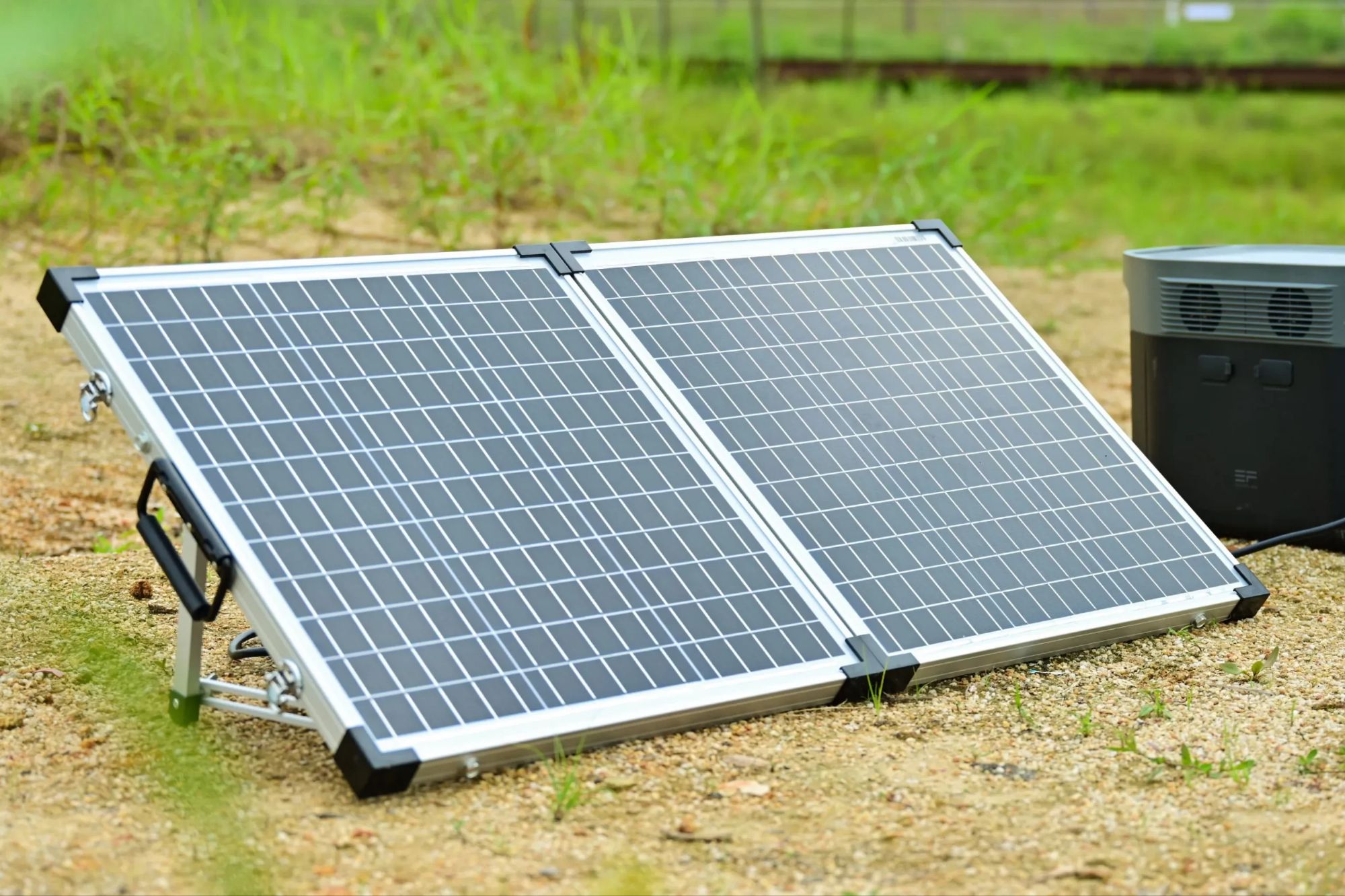
Most mini solar systems in the Nigerian market come in standardized packages. The typical setup includes a solar panel, usually one or two panels depending on the package size. A battery to store the power, often a lithium or gel battery. A charge controller that regulates how the battery charges. An inverter that converts the stored DC power to AC power you can use for appliances. And some systems include LED bulbs and a fan as part of the package.
The smallest systems, usually around thirty to fifty thousand naira, typically give you enough power to charge phones, run LED lights, maybe power a small fan, and charge a laptop. These are very basic systems meant for minimal power needs. The panel is small, the battery capacity is limited, and you can’t run heavy appliances on them.
Mid-range systems, around seventy to one hundred and fifty thousand naira, offer more capacity. You can run a few more lights, charge multiple devices, power a standing fan, run a small television, and maybe even power a laptop and a decoder at the same time. The battery is bigger, the panels are more efficient, and you get a bit more flexibility in what you can use.
The higher-end mini systems, from one hundred and fifty thousand to three hundred thousand naira, start approaching what you might call a small proper solar setup. You can power a refrigerator for limited hours, run multiple appliances simultaneously, and have enough battery backup to last through the night if you’re conservative with usage.
But here’s what the marketing often doesn’t make clear. The word mini is important. These are not replacements for grid electricity or even for a generator. They’re supplementary power sources designed for specific, limited uses. Understanding this difference is crucial before you buy.
The Honest Truth About What Mini Solar Can and Cannot Do
Let’s start with what these systems can actually do well. They’re excellent for basic lighting. If your main frustration is sitting in darkness every evening, a mini solar system will solve that problem completely. LED bulbs use very little power, and even the smallest system can run several LED lights for hours without any issue.
They’re perfect for charging devices. Phones, tablets, laptops, power banks, rechargeable fans. If you’re tired of your phone dying because there’s no light to charge it, a mini solar system handles this effortlessly. You’ll always have a way to charge your devices regardless of what NEPA is doing.
They’re great for small entertainment needs. Running a television and decoder is very doable on most mid-range systems. You can watch your shows in the evening without worrying about whether there’s light or not. Add a small sound system and you’re set for entertainment.
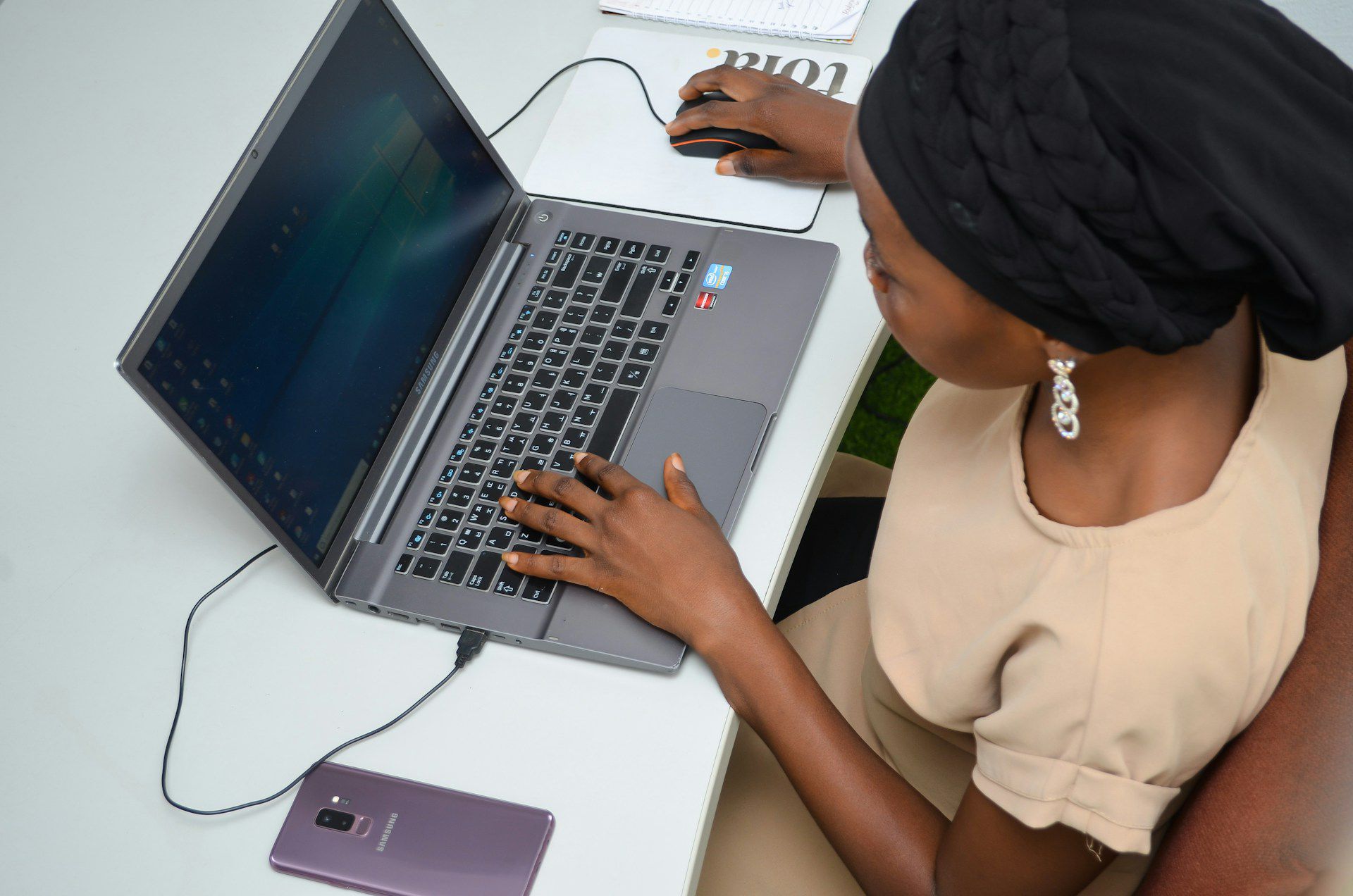
They work well for people who work from home. If you need to power a laptop, charge your phone, run a small fan, and maybe have a light on while you work, a mini solar system can keep you productive even when there’s no grid power. This alone has been valuable for many Nigerians who lost income because they couldn’t work during power outages.
They provide peace of mind. There’s something psychologically comforting about knowing you have a backup power source that doesn’t depend on NEPA or fuel prices. You’re not completely helpless when the power goes out.
Now let’s talk about what they cannot do, or cannot do well, because this is where many people get disappointed.
They struggle with heavy appliances. Air conditioners, electric kettles, pressing irons, blenders, microwaves, washing machines. These appliances pull too much power too quickly for mini solar systems to handle. Some systems will shut down immediately if you try. Others might run the appliance for a very short time before the battery dies. If you’re buying a mini solar system thinking it will let you use your air conditioner or pressing iron whenever you want, you’ll be disappointed.
Refrigerators and freezers are tricky. Some higher-end mini systems claim they can power a refrigerator, and technically they can, but not for twenty-four hours. You might get four to eight hours of refrigerator time depending on the system and the fridge size. This means you need to be strategic. Run the fridge when the sun is out and the system is charging, then turn it off at night to preserve battery. It works, but it requires management and isn’t the same as just leaving your fridge on all the time like you would with grid power.
Battery capacity limits how long everything lasts. Even if your system can technically power your appliances, the battery only holds so much charge. If there’s no sunlight for a day or two, or if you use power heavily one evening, the battery might die and you’re back to having no power until the sun comes out and recharges it. This is especially frustrating during rainy season when you might go days with weak sunlight.
Charging time depends entirely on sunlight. A cloudy day means slower charging. A rainy day might mean almost no charging at all. If your panel isn’t positioned properly to catch maximum sunlight, charging will be inefficient. Unlike a generator where you just add fuel and it works, solar is dependent on environmental conditions you can’t control.
You can’t easily expand most systems. If you buy a small system and later realize you need more power, you can’t just add another panel and battery easily. Most mini solar systems aren’t designed to be modular or expandable. You’d have to buy a whole new, bigger system, which means your initial investment is partially wasted.
The Problems Nobody Tells You About Until After You Buy
Quality varies dramatically and it’s hard to tell the difference before purchase. The Nigerian market is flooded with mini solar systems from different manufacturers and importers. Some are decent quality. Many are substandard. Two systems might look identical and cost similar amounts, but one will last three years while the other dies after six months. Unless you really know what to look for, you’re taking a gamble.
Battery degradation is real and happens faster than you expect. The battery is the heart of the system and it doesn’t last forever. Depending on quality and how you use it, you might notice reduced performance after one or two years. After three to five years, you’ll likely need to replace the battery, which can cost thirty to fifty percent of what you paid for the entire system. Many people don’t budget for this and get frustrated when their system stops performing well.
Installation matters more than people realize. Just buying the system isn’t enough. The panel needs to be positioned correctly to get maximum sunlight. The wiring needs to be done properly. The battery needs to be in a suitable environment, not too hot, not too damp. Many people buy these systems and install them carelessly or let an inexperienced person handle it. Then they wonder why performance is poor. Some sellers provide installation, others don’t. You need to factor in installation costs and quality if you’re not doing it yourself.
Maintenance is required even though it’s advertised as maintenance-free. The solar panels need to be cleaned regularly because dust and dirt reduce efficiency significantly. In dusty Nigerian environments, a panel can lose twenty to thirty percent efficiency just from accumulated dirt. Connections need to be checked periodically. The battery terminals need attention. It’s not heavy maintenance, but it’s not zero maintenance either.
Warranty and customer support can be a nightmare. Many sellers have vague warranty terms. When something goes wrong, getting support is difficult. You call the number and nobody picks up. You visit the shop and they tell you to bring the whole system, which is heavy and awkward to transport. Some sellers disappear entirely after a few months. The lack of reliable after-sales support is a major issue in this market.
Weather and environmental factors affect performance in ways you don’t expect. Harmattan dust covers panels and reduces output. Rainy season means weeks of poor charging. Extreme heat can affect battery life. If you live in an area with lots of trees or tall buildings blocking sunlight for part of the day, your charging will be limited. All of this affects whether the system actually works well in your specific situation.
What You Should Do Before Buying
Be completely honest about your actual power needs. Sit down and list what you truly need to power. Not what you wish you could power, but what you absolutely need. Lights, phone charging, and a fan? A small system works. Television and decoder too? Mid-range system. Refrigerator? You need a higher-end system and realistic expectations. Matching your needs to the right system size is the most important decision.
Research the specific brand and model you’re considering. Don’t just buy because the price is good or because someone on Instagram promoted it. Look for actual user reviews from Nigerians who have used that exact model for at least six months. Check forums, Facebook groups, and YouTube for honest reviews. The extra research time will save you from buying junk.
Understand the specifications, at least the basics. Battery capacity is measured in amp-hours or watt-hours. Higher numbers mean more storage. Panel wattage tells you how much power it can generate under ideal conditions. Inverter capacity tells you the maximum load it can handle. You don’t need to become an expert, but understanding these basic numbers helps you compare systems and know if what you’re buying matches your needs.
Buy from sellers with physical locations and good reputations. Online-only sellers that just have a website or Instagram page are risky. If something goes wrong, you want to be able to walk into a physical shop and demand support. Ask around in your area, find out which sellers people have had good experiences with. Pay a bit more if necessary to buy from someone reliable.
Ask very specific questions before buying. How long will this power a refrigerator? What happens during rainy season? What’s covered under warranty and for how long? Can I bring it back if it doesn’t work? Do you provide installation or do I arrange that myself? What’s the expected battery lifespan? A good seller will answer these questions clearly. A bad seller will be vague or make unrealistic promises.
Budget for the total cost, not just the system. Include installation if needed, include backup funds for potential issues, include future battery replacement in your mental calculation. If you can only barely afford the system itself, you might not be ready to buy yet because unexpected costs will catch you off guard.
Consider starting small and upgrading later if you’re unsure. Instead of spending one hundred and fifty thousand on a system you’re not sure about, spend fifty thousand on a basic system for lights and charging. Use it for a few months. Learn how solar works. Understand the limitations. Then decide if you want to invest more in a bigger system. This approach reduces risk and gives you real experience before making a larger commitment.
So, Are They Actually Worth It?
The honest answer is that it depends entirely on your situation, your expectations, and what you buy.
Mini solar systems are absolutely worth it if you have realistic expectations, buy the right size for your needs, purchase decent quality, and understand the limitations. For someone who just wants lights, device charging, and maybe a TV without depending on NEPA or spending money on fuel, a good mini solar system will pay for itself within a year or two through fuel savings and improved quality of life. The freedom from sitting in darkness and the ability to charge your phone anytime is genuinely valuable.
They’re worth it if you’re tired of the stress of unreliable power and you want a simple, relatively affordable solution for basic needs. The peace of mind alone has value. Not having to rush home because NEPA brought light and you need to charge everything. Not having to beg neighbors to help you charge your phone. Not sitting in hot darkness every evening. These improvements to daily life are real.
They’re not worth it if you expect them to replace NEPA completely or if you think you’ll be able to run all your appliances without any restrictions. If you’re buying with the mindset that this little system will let you live exactly as you would with twenty-four hour grid electricity, you’ll be disappointed and feel like you wasted your money.
They’re not worth it if you buy a cheap, low-quality system just because it’s affordable. A bad solar system that stops working after a few months or never performed well in the first place is worse than not buying at all because you’ve lost money and still have the same power problems. Quality matters more in solar than in almost any other purchase.
They’re definitely worth it for students, freelancers, and anyone who works from home and loses income during power outages. Being able to work consistently regardless of NEPA is valuable enough to justify the investment. The system pays for itself quickly when it protects your ability to earn money.
They’re worth it for families with young children who need light for homework and basic comfort at night. The improvement to your children’s studying conditions and general home atmosphere makes it worthwhile even if the system can’t power everything you wish it could.
The bottom line is this. A mini solar system is a tool with specific capabilities and limitations, not a miracle solution. If you use it for what it’s designed to do, it works well and provides excellent value. If you expect it to do things it was never meant to do, you’ll be frustrated. Do your research, buy quality, match the system to your actual needs, maintain realistic expectations, and yes, a mini solar system can absolutely be worth every naira you spend on it in Nigeria’s current power situation.