
Your salary used to be enough. Not luxurious, but enough. You could pay your rent, buy food, handle transport, save a little, and still have something left for the occasional outing or emergency.
But somewhere along the line, things changed. Now, that same salary barely covers the basics. You’re constantly calculating, constantly worried about the next expense, constantly wondering how you’ll make it through the month. And you’re starting to realize what many other Nigerians already know. One source of income isn’t enough anymore.
This isn’t about being greedy or wanting to live large. This is about survival. All around you, people are doing something on the side. Your colleague sells clothes online. Your neighbor bakes on weekends. Your friend drives Uber after work hours. Your cousin does freelance graphic design. It’s not because they’re especially ambitious or entrepreneurial. It’s because they’ve accepted a reality that many Nigerians are slowly coming to terms with. In today’s Nigeria, a side hustle has shifted from being a nice extra to being an absolute necessity for financial survival.
How We Got to This Point
The Nigerian economy has changed dramatically over the past few years, but salaries haven’t kept pace. Inflation has been relentless. Things that cost a certain amount last year cost significantly more this year. Transport fares have increased multiple times. Food prices have skyrocketed. Rent keeps going up. The cost of everything from data to clothing to basic necessities has risen sharply.
Don't MIss This Guide

But for most Nigerian workers, salaries have remained largely stagnant. Yes, some companies give small annual increases, maybe five or ten percent. But when inflation is running at twenty, thirty, or even higher percentages, a five percent salary increase means you’re actually earning less in real terms than you were before. Your money buys less. Your standard of living quietly drops even though your salary number stays the same or even increases slightly.
The exchange rate situation has made things worse. So many things Nigerians use are imported or depend on imports. When the dollar goes from three hundred naira to eight hundred naira to even higher, the prices of everything connected to imports goes up. Electronics, spare parts, fuel, medical supplies, even food items. Your salary is in naira, but the real cost of living is increasingly tied to the dollar, and that gap keeps widening.
Job security has also become more uncertain. Companies are downsizing, restructuring, folding up entirely. Industries that were stable ten years ago are struggling now. Even people with good jobs in reputable companies are no longer completely confident they’ll still have that job in two years. This uncertainty makes depending entirely on one employer feel increasingly risky.
The traditional path that previous generations followed no longer works reliably. Get an education, get a job, work hard, get promoted, retire comfortably. That progression has broken down. People are getting educated and struggling to find jobs. People are working hard and not getting promoted. People are staying in the same position for years with minimal salary growth. The old formula doesn’t produce the same results anymore.
Don't MIss This Guide
At the same time, opportunities for side income have expanded. The internet has opened up possibilities that didn’t exist before. You can sell products without a physical shop. You can offer services to international clients from your bedroom. You can learn skills online and monetize them. The barriers to starting something on the side have lowered significantly, even as the economic pressure to do so has increased.
Why Your Salary Alone Isn’t Cutting It Anymore
The math is straightforward and brutal. Take an average Nigerian earning eighty to a hundred and fifty thousand naira monthly. Sounds reasonable until you break it down. Rent in a decent area takes thirty to fifty thousand or more. Transport to and from work takes ten to twenty thousand. Feeding for the month takes thirty to fifty thousand if you’re being careful. Data and airtime take five thousand or more. Utilities like water and waste take a few thousand. Basic personal care items take a few thousand.
Already, you’re at the edge of your salary or possibly over it, and you haven’t even covered irregular expenses yet. Clothing, medical emergencies, family obligations, social contributions, saving for future goals, replacing things that spoil, handling unexpected situations. These aren’t luxuries, they’re normal parts of life. But there’s no room for them in the budget when basic survival expenses already consume everything.
People with higher salaries aren’t necessarily in better shape proportionally. Someone earning three hundred thousand naira faces correspondingly higher expectations and expenses. More expensive rent, higher lifestyle costs, family members who expect more support, social circles where spending more is normal. The pressure scales with income level.
The emergency fund that financial experts always talk about feels like a joke when you can barely make it to the end of the month. You know you’re supposed to save three to six months of expenses for emergencies, but you can’t even save one month’s expenses because there’s nothing left after covering current needs. So when emergencies happen, and they always do, you borrow money or make terrible financial decisions because you have no cushion.
Debt becomes a trap. You borrow to cover an emergency or a shortfall. Now you have to pay back that loan plus interest, which makes next month even tighter. So you borrow again. The cycle continues and you’re constantly behind, constantly stressed, constantly juggling payments and obligations with insufficient funds.
The dream of building anything for the future feels impossible. Starting a business requires capital you don’t have. Buying land or property is out of reach. Investing seems like a luxury for people who have extra money, which you definitely don’t. You’re stuck in a cycle where all your energy goes to surviving the present, with nothing left for building a better future.
Don't MIss This Guide
The Side Hustles Nigerians Are Turning To
Different people are finding different ways to bring in extra income, depending on their skills, capital, time, and circumstances.
Online selling has become massive. People are selling everything from clothes to shoes to accessories to electronics on Instagram, WhatsApp, Facebook, and dedicated e-commerce platforms. Some people buy wholesale and resell. Others import items. Some do dropshipping where they don’t even keep inventory. The beauty of online selling is that you can start small, run it from home, and do it in your spare time.
Food-related businesses are everywhere because people always need to eat. Weekend baking, selling snacks, making small chops for parties, cooking meals for busy professionals, selling breakfast items in the morning before work. Food businesses can start very small with minimal capital and grow based on demand.

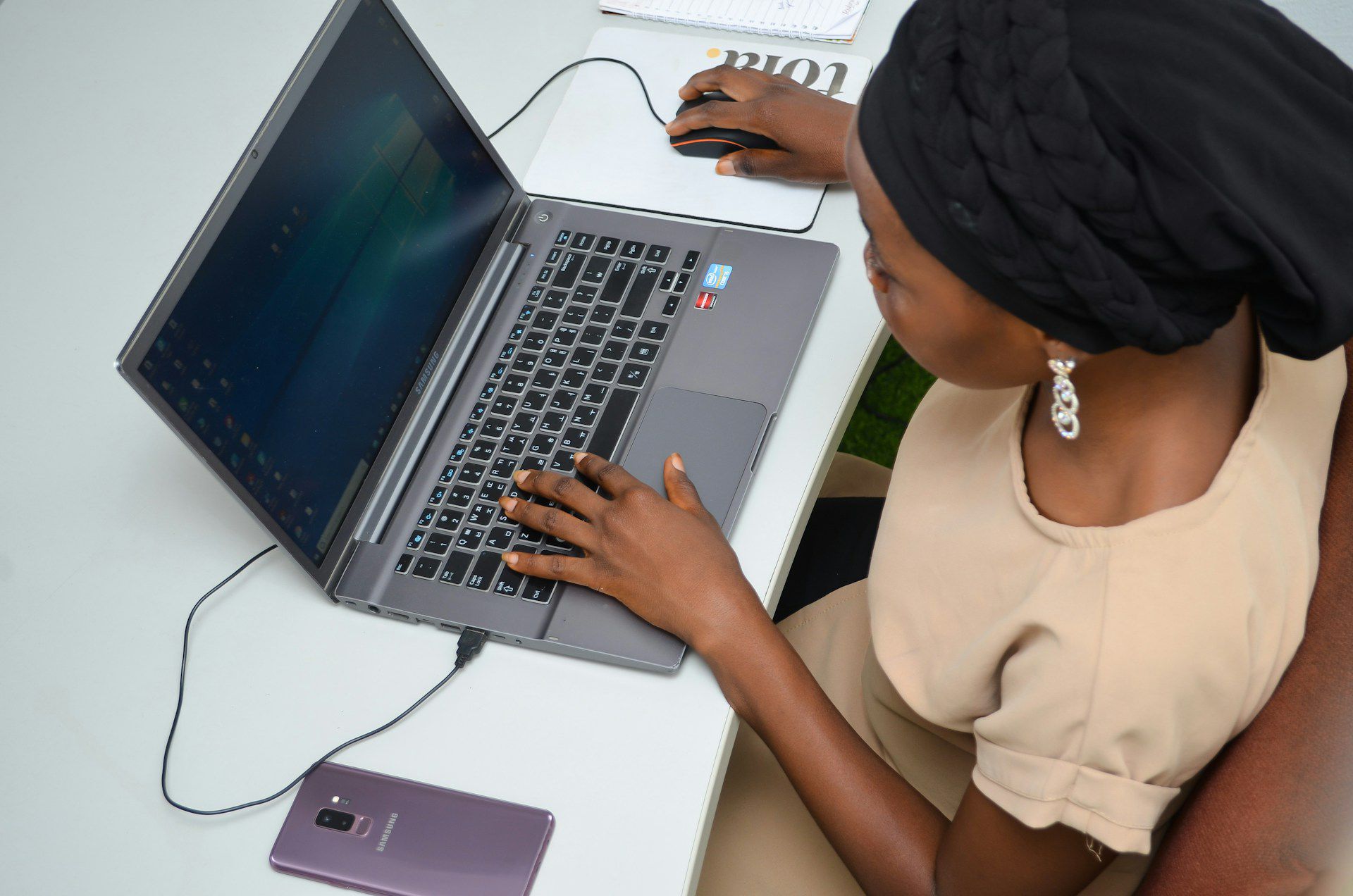
Freelancing and remote work have opened international opportunities. Graphic designers, writers, video editors, social media managers, virtual assistants, programmers, and others are finding clients online and earning in dollars while living in Nigeria. The income from just a few international clients at decent rates can match or exceed a Nigerian salary.
Ridesharing and logistics have absorbed many people. Uber, Bolt, delivery services, moving packages. Anyone with a vehicle or even just a bike can turn their spare hours into income. The flexibility appeals to people with day jobs who can drive evenings and weekends.
Tutoring and teaching are natural side hustles for people with knowledge to share. Teaching students after school hours, tutoring online, creating and selling courses, coaching people in specific skills. Education has value and parents will pay for their children to get extra help.
Beauty and personal care services work well as side hustles. Hairstyling, makeup, nails, tailoring, skincare. These services are always in demand and many can be done from home or mobile with relatively low startup costs.
Digital skills and tech services are growing. Helping people with phone or computer problems, setting up websites, managing social media accounts for small businesses, creating graphics and designs, offering digital marketing. As Nigeria becomes more digital, the demand for these services increases.
Content creation and social media have created income opportunities. People with followings on Instagram, YouTube, TikTok, or blogs can monetize through brand partnerships, affiliate marketing, or selling their own products and services to their audience.
Rental income from what you already own is becoming common. Renting out a spare room, renting out your car when you’re not using it, renting out equipment or tools, even renting out clothes or accessories for events. If you own something others need temporarily, you can generate income from it.

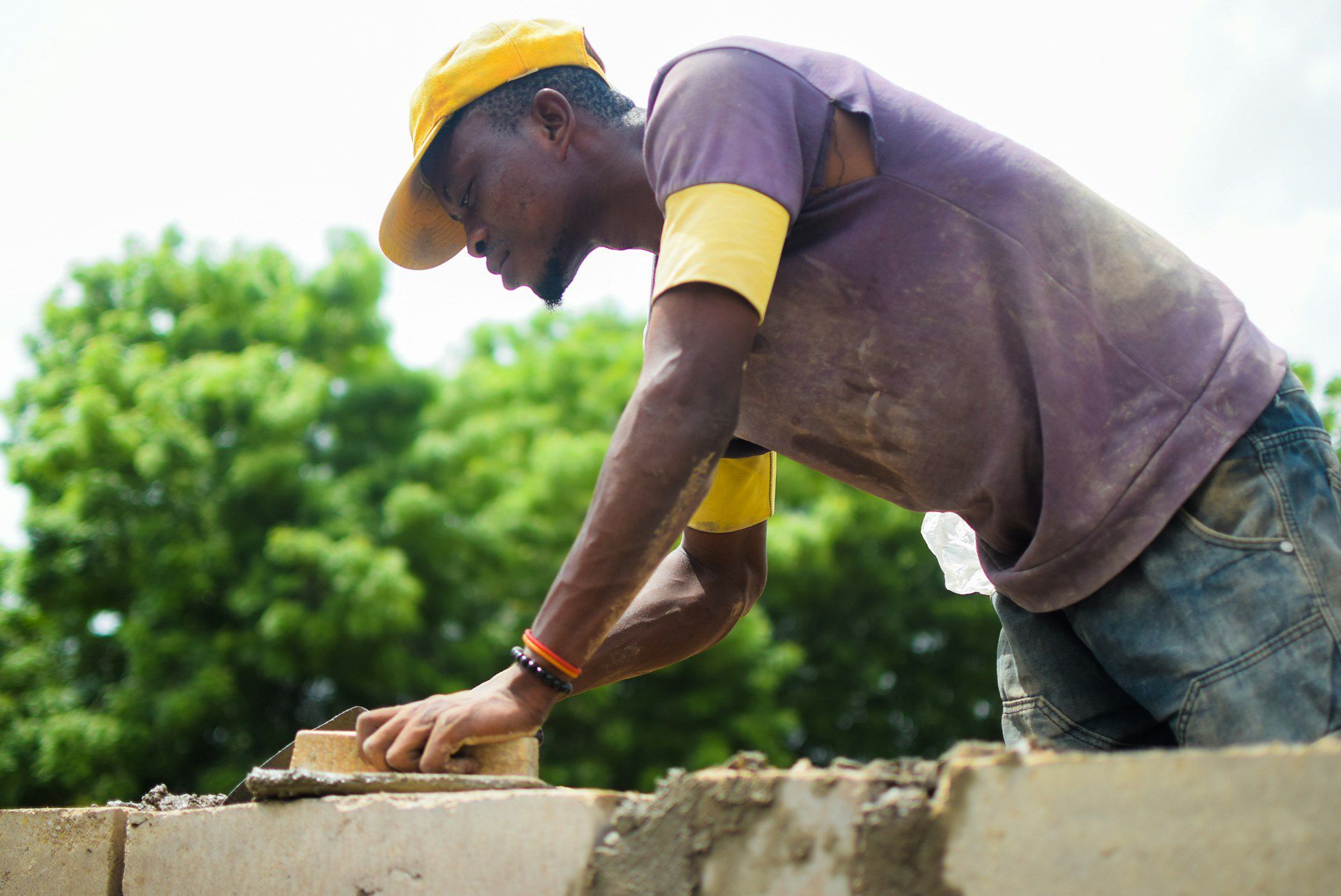
Skilled trades and handyman services work well on the side. Plumbing, electrical work, carpentry, phone repairs, appliance repairs. People with these skills can take on jobs during evenings and weekends for extra income.
The Reality of Running a Side Hustle in Nigeria
Having a side hustle sounds good in theory, but the reality comes with significant challenges that people don’t always anticipate.
The biggest challenge is time and energy. You’re already spending eight or more hours at your main job, plus commute time. You’re tired when you get home. Weekends are when you handle personal errands and try to rest. Finding additional hours to put into a side hustle requires sacrifice. Sleep, social life, relaxation time, all of these get squeezed. Many people start side hustles with enthusiasm and then struggle to maintain them because the exhaustion becomes overwhelming.
Capital is another barrier. Many viable side hustles require some startup money. Buying inventory to sell, getting equipment, paying for training or materials. When you’re already financially stretched, finding money to invest in a side hustle is difficult. You need money to make money, but you’re starting a side hustle precisely because you don’t have extra money. It’s a frustrating catch.
The Nigerian environment adds extra difficulties. Unreliable power means you might not be able to work on your side business when you planned to. Bad roads affect delivery and logistics. Insecurity in some areas limits when and where you can operate. Internet connectivity issues interfere with online businesses. These environmental challenges make everything harder than it needs to be.
Customer payment behavior can be frustrating. People who want to buy on credit and delay payment. Customers who negotiate every price down. People who waste your time and energy asking questions and then don’t buy. The Nigerian market can be tough, and when you’re doing business on the side without much margin for error, difficult customers can be especially draining.
Competition is intense in most accessible side hustles. Because so many people are doing side hustles now, many markets are saturated. Lots of people selling the same products. Many people offering the same services. Standing out and getting customers requires extra effort in marketing and differentiation, which takes more time and possibly more money.
Your main job can conflict with your side hustle. Some employers explicitly forbid side businesses. Others don’t forbid them but expect full commitment and might view side hustles negatively. You have to be careful not to let your side hustle interfere with your job performance, because losing your main income source while trying to build side income would be disastrous. The balancing act is delicate.
Inconsistent income from side hustles makes planning difficult. Unlike your salary which comes predictably each month, side hustle income fluctuates. Good months and bad months. Busy seasons and slow seasons. This inconsistency makes it hard to budget and creates its own stress even as it solves other financial problems.
Registration, taxes, and regulations can be confusing. Should you register your side business? What taxes apply? What permits might you need? Many people operate in a gray area, unsure of the legal requirements and hoping they’re small enough to fly under the radar. This uncertainty creates anxiety.
What This Shift Means for Nigerian Society
The normalization of side hustles represents a fundamental change in how work and income function in Nigeria.
The traditional employment relationship is weakening. The unspoken social contract where you give your employer full loyalty and effort in exchange for a salary that meets your needs and some job security has broken down. Employers still expect loyalty and effort, but they’re not providing adequate compensation or security in return. Side hustles are how employees are adjusting to this new reality.
The line between work time and personal time is disappearing. When you have a side hustle, you’re always working or thinking about work. Evenings, weekends, holidays. There’s no clear off time anymore. Rest becomes a luxury rather than a normal part of life. This has long-term implications for health, relationships, and quality of life that we’re only beginning to understand.
Skills development is becoming more important than formal credentials. People are learning that the degree or certificate matters less than what you can actually do and sell. This is shifting how people think about education and self-improvement. Practical skills you can monetize immediately are valued more than theoretical knowledge.
Entrepreneurial thinking is spreading by necessity. People who never considered themselves business-minded are learning to identify opportunities, solve problems for money, market themselves, handle customers, and manage finances. An entire generation is being forced into an entrepreneurial mindset because employment alone isn’t sufficient.
Family dynamics are changing. Both parents working side hustles on top of their jobs means less time for children and household management. Children are growing up watching their parents work constantly. Extended family expectations have to be renegotiated when everyone is struggling and everyone is hustling.
Mental health pressure is increasing. The constant hustle, the financial stress, the exhaustion, the uncertainty, all of this takes a psychological toll. Many Nigerians are dealing with anxiety and depression related to financial struggles and the relentless pressure to keep working and earning.
Social inequality might be widening. People with capital, connections, education, or existing resources have better opportunities for profitable side hustles. People starting from nothing have limited options and face bigger barriers. The side hustle economy might be increasing the gap between those who can leverage advantages and those who cannot.
How to Approach the Side Hustle Necessity
If you’re accepting that a side hustle isn’t optional anymore, approaching it strategically makes the difference between success and just adding more stress to your life.
Start by honestly assessing what you have to offer. What skills do you possess? What knowledge do you have? What resources do you own? What connections can you leverage? What problems do you know how to solve? Your best side hustle is usually built on something you already have rather than starting completely from scratch.
Choose something with realistic time requirements. If you work nine hours a day and commute three hours, you don’t have time for a side hustle that requires six hours daily. Be honest about how much time you can actually commit consistently, and choose something that fits that reality.
Start small and test before going all in. Don’t invest heavily in inventory or equipment before proving the business works. Test your concept on a small scale, learn the challenges, see if there’s actually demand, and grow gradually based on results rather than assumptions.
Focus on cash flow, not just potential profit. A side hustle that brings in a small amount of money quickly and regularly is more valuable in the short term than a side hustle with big profit potential in the future but no immediate cash flow. When you need money now, quick returns matter.
Use what you already have before buying new things. Can you start your business with equipment you already own? Can you use free tools before paying for premium ones? Can you leverage existing relationships before spending on advertising? Minimize upfront costs whenever possible.
Build slowly and sustainably rather than trying to force quick growth. A side hustle you can maintain for years while keeping your sanity is better than one that makes more money but burns you out in six months. Think long term.
Be ready to pivot if something isn’t working. Don’t stubbornly stick with a side hustle that’s clearly not viable just because you started it. Learn, adjust, try different approaches, or switch to something different entirely. Flexibility is valuable.
Protect your main income source. Don’t let your side hustle jeopardize your job. Don’t steal time from work to hustle. Don’t use company resources inappropriately. Your salary is still your foundation until your side income is stable and substantial enough to potentially replace it.
Take care of your health and relationships. No amount of side hustle income is worth destroying your health or your marriage or your relationship with your children. Set boundaries, schedule rest, maintain some personal time, and don’t sacrifice everything on the altar of making money.
The Bigger Picture We Can’t Ignore
The fact that side hustles have become necessary rather than optional is a symptom of deeper economic problems in Nigeria. In a healthy economy, a reasonable job should provide enough income for a decent life. People should be able to choose side hustles out of ambition or interest, not desperation.
The current situation isn’t sustainable long term. People can only work two or three jobs for so long before something breaks. Health, relationships, quality of work, mental wellbeing. Treating the necessity of side hustles as normal is accepting a standard of living and working conditions that shouldn’t be acceptable.
This isn’t to discourage anyone from starting a side hustle. In the current reality, it’s often the smart and necessary choice. But we shouldn’t lose sight of the fact that it shouldn’t be necessary. The goal should be building toward a point where side hustles are optional again, whether through business growth that replaces your job, policy changes that improve the economy, or other shifts that reduce the financial pressure crushing regular Nigerians.
For now, the reality is what it is. One income isn’t enough for most people anymore. Side hustles have moved from being a good idea to being a necessity for financial survival. Understanding this reality and responding to it practically is how many Nigerians are managing to stay afloat in an increasingly difficult economic environment. The question isn’t whether you should consider a side hustle. For most people, the question is what side hustle makes the most sense for your situation, and how soon can you start.