
Nigeria’s education system could soon undergo one of its biggest transformations in decades following the Federal Government’s proposal to replace the existing 6-3-3-4 structure with a 12-year uninterrupted basic education model.
The proposed reform would remove the distinction between Junior Secondary School (JSS) and Senior Secondary School (SSS), creating a single continuous learning pathway that every child is expected to complete before proceeding to higher education or vocational training.
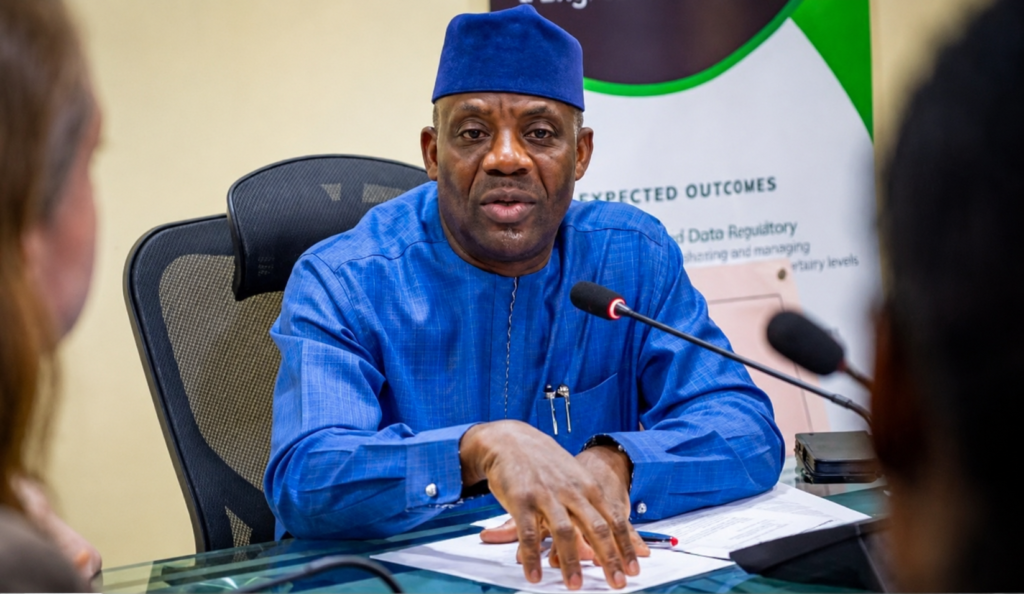
The proposal was unveiled by the Minister of Education, Dr. Maruf Tunji Alausa, during the inauguration of the Universal Basic Education Commission (UBEC) Ministerial Implementation and Monitoring Committee in Abuja.
Don't MIss This Guide

For more than four decades, Nigeria has operated the 6-3-3-4 education system, under which pupils spend six years in primary school, three years in junior secondary school, three years in senior secondary school, and then continue to tertiary education.
Under the proposed arrangement, students would no longer face a formal transition between junior and senior secondary education. Instead, they would progress through a unified 12-year basic education programme designed to provide uninterrupted learning.
According to the Federal Government, the objective is to build a more stable educational pathway that keeps children in school for longer while improving the quality of learning throughout their formative years.
Education authorities believe the transition from JSS to SSS has become a major point where many learners discontinue their education. By removing that divide, the government hopes to improve retention and reduce the number of children leaving school before completing their basic education.
The reform is also expected to give greater attention to practical learning by strengthening vocational and technical education alongside core academic subjects, helping students develop skills that are relevant beyond the classroom.
Although the proposal has been announced, introducing the new system will require extensive planning before it can take effect.
The government says the process will include reviewing the national curriculum, preparing teachers for the revised structure, adjusting school administration, and working closely with state governments and education stakeholders responsible for implementing basic education across the country.
Don't MIss This Guide
These steps are considered essential to ensure that the transition is effective and does not disrupt learning.
The proposed reform has already sparked conversations among education stakeholders, parents, teachers, and school administrators, many of whom are eager to understand how the changes would affect students.
If approved and successfully implemented, the policy could reshape the learning experience for millions of Nigerian children by creating a more seamless journey from primary school through secondary education.
For now, the proposal remains part of the Federal Government’s wider education reform agenda, with further consultations and implementation plans expected before nationwide rollout.
GuidesCafe will continue to monitor the development and provide updates as more details emerge from the Federal Ministry of Education.