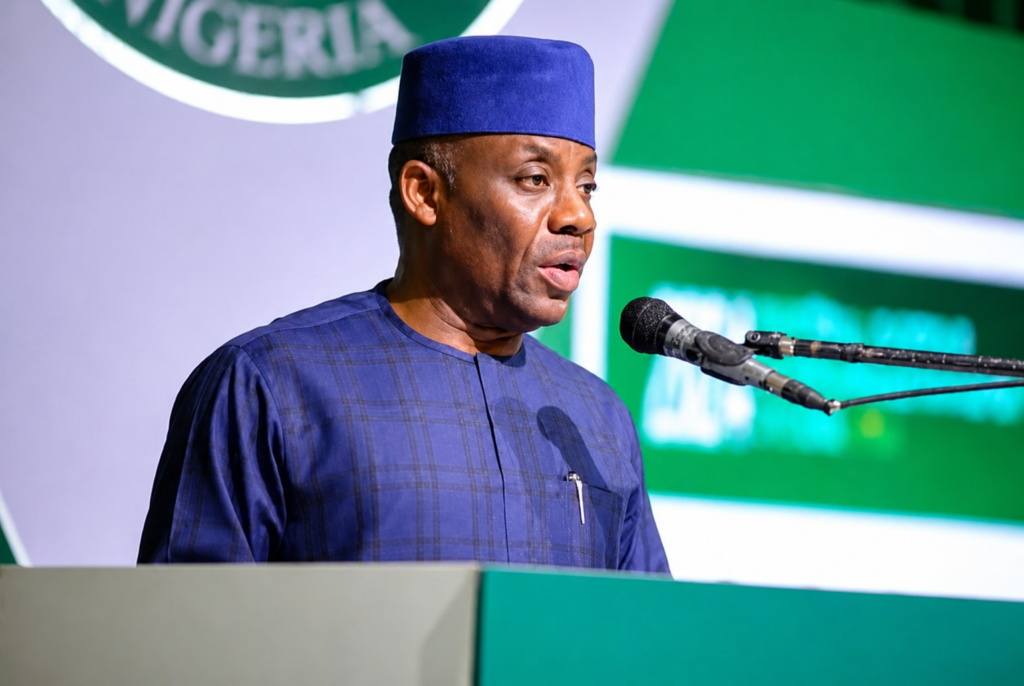

The Federal Government has taken another step in its ongoing education reform agenda with the introduction of a nationwide digital platform designed to improve how education data is collected, managed, and used for policymaking. In a press release on his official X handle on July 2nd, the Minister of Education, Dr. Maruf Tunji Alausa, announced the initiative.
Known as the Digitalised Nigeria Education Management Information System (DNEMIS), the platform is expected to replace manual data collection with a technology-driven approach that gives education authorities access to more accurate and timely information about schools across the country.
The initiative was launched in Abuja by the Minister of Education, Dr. Maruf Tunji Alausa, who said the platform would provide a stronger foundation for planning and delivering education services nationwide.
For years, education data in Nigeria has largely been gathered through periodic school census exercises. While the system provided useful information, it often took months before the data became available for planning and decision-making.
The newly introduced DNEMIS is expected to change that by allowing education managers to access updated information as schools are captured on the platform. This means government agencies can respond more quickly to emerging challenges, identify resource gaps, and make decisions based on current data rather than outdated records.
Early figures released by the Ministry of Education indicate that the database already contains information from more than 124,000 schools, representing over half of the country’s expected coverage.
The system also includes records for over 40 million learners, approximately 1.19 million teachers, hundreds of thousands of classrooms, and sanitation facilities located in schools across Nigeria.
Don't MIss This Guide

Another major feature is the geo-mapping of participating schools, making it easier for education authorities to monitor school locations, infrastructure needs, and service delivery.
As part of the reform, each student captured on the platform will receive a unique 16-digit Learner Identification Number (LIN). The identification number will be connected to the learner’s National Identification Number (NIN), creating a single record that can follow the student throughout their education.
Officials believe this approach will improve record management, minimise duplicate entries, and make it easier to monitor enrolment and student progression over time.
Reliable education data influences almost every aspect of policymaking from where new classrooms are built to how teachers are deployed and how education budgets are allocated.
With a central digital database, governments at different levels are expected to make better-informed decisions while directing resources to schools and communities that need them most.
The platform is also expected to support programmes aimed at improving learning standards, strengthening school safety, and expanding access to quality education.
Speaking at the launch, the Minister described the initiative as “a transformative reform” that would strengthen planning and improve learning outcomes across the country.
Although the platform has already begun compiling nationwide data, expanding its coverage remains an important priority. The Ministry of Education says it intends to ensure that every school, teacher, and learner is eventually included in the system.
Don't MIss This Guide
If fully implemented, DNEMIS could significantly reshape education planning in Nigeria by replacing fragmented records with a unified digital database that supports faster decisions, greater transparency, and more effective education reforms.
For students, teachers, and school administrators, the success of the initiative could translate into better planning, improved resource distribution, and policies driven by reliable information rather than estimates.