
Artificial intelligence is rapidly changing the way people work, communicate and learn, and Nigeria’s education sector is beginning to respond to the shift. As digital tools become increasingly common in classrooms, teachers are being encouraged to develop new skills that will help them use technology to improve teaching and learning.
The growing focus on artificial intelligence comes at a time when education systems around the world are exploring how emerging technologies can support teachers and students. In Nigeria, recent initiatives have placed greater emphasis on digital training, with programmes designed to help educators understand and apply technology in their daily work.
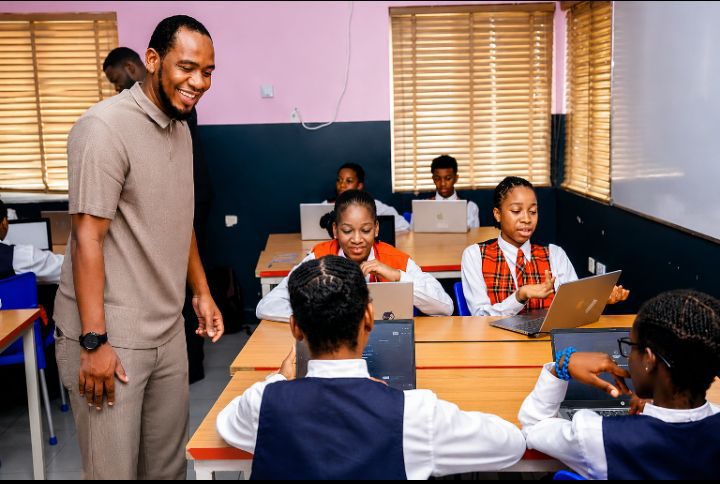
One of the latest developments is a digital skills training programme aimed at helping Nigerian teachers use artificial intelligence tools for classroom delivery and learning outcomes. The initiative reflects a broader recognition that teachers will need to understand new technologies as education becomes increasingly connected to the digital economy.
Don't Miss This Guide

MFor teachers, the potential benefits of AI extend beyond simply using computers or smartphones. AI-powered tools can assist educators with lesson planning, content creation, research and student assessment. When used responsibly, these technologies may help teachers save time and provide learning materials that are better suited to the needs of their students.
However, the growing use of AI also raises important questions about how technology should be introduced into schools. Teachers still play a central role in education because learning is not only about accessing information. Students also need guidance, critical thinking, encouragement and human interaction.
Don't Miss This Guide

Nigeria’s Minister of Education, Dr. Maruf Tunji Alausa, has previously stressed the importance of using digital learning platforms to strengthen teaching and learning. The Federal Government has also maintained that technology is intended to support teachers rather than replace them.
This distinction is important as schools adapt to the changing education environment. AI can provide information quickly, but teachers remain responsible for helping students understand information, evaluate sources and develop independent thinking skills.
There are also challenges that must be addressed. Many schools still face problems involving electricity, internet access, digital devices and teacher training. Without adequate infrastructure, the benefits of digital education may not reach students equally, particularly those in underserved communities.
The digital skills gap among educators is another issue. Introducing AI tools without sufficient training could create confusion rather than improve classroom outcomes. Teachers need practical training that explains not only how to use AI but also when it is appropriate to use it.
Students, too, must be taught how to use AI responsibly. As these tools become more accessible, schools will need to encourage academic honesty and help learners understand the difference between using technology as a learning aid and relying on it to complete schoolwork without understanding the subject.
Don't Miss This Guide

The future of education in Nigeria will likely involve a closer relationship between teachers and technology. The success of this transition, however, will depend on investment in infrastructure, teacher training and responsible digital policies.
Don't Miss This Guide

As artificial intelligence continues to evolve, the question is no longer whether technology will influence education. It is how effectively schools can prepare teachers and students to use it.
For Nigeria, equipping educators with relevant digital skills could be an important step toward building a more adaptable education system—one where technology supports teachers, improves access to learning resources and prepares young people for a rapidly changing world.