Quick Answer: Nigerians lose thousands of naira monthly to subscriptions they forgot about because sign-ups are frictionless, charges are billed in small naira amounts or masked behind dollar pricing, and there is no single place to see everything you are paying for across cards, PayPal, and app stores. To fix it, do a full audit of your last three months of bank and card statements, cancel anything you have not used in 30 days, and use a subscription tracker app or a recurring calendar reminder to stay ahead of future renewals.
You have not watched Netflix in over two months. But you forgot you are still paying for it.
If that sounds familiar, you are far from alone. Thousands of Nigerians are losing money every month to subscriptions they signed up for and completely forgot about. It is not that you are careless. These services are designed to make signing up effortless and canceling forgettable, and in a country where every naira matters, those forgotten charges quietly drain accounts while providing zero value in return.
How We Got Here: The Subscription Trap
A few years ago, most people paid for things once and owned them. You bought a CD and owned the music. You bought software once and used it forever. Now almost everything runs on a subscription: streaming, music, cloud storage, fitness apps, productivity tools, even news. You do not own anything anymore. You just keep paying to access it.
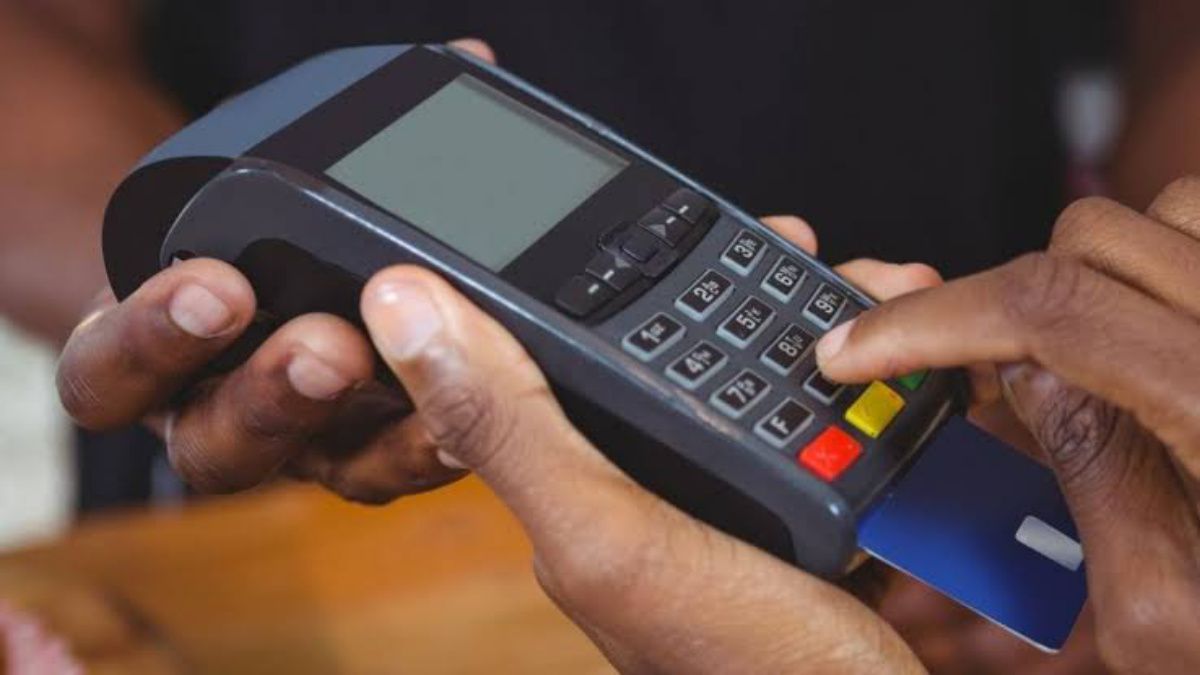
The payment process is deliberately frictionless. You enter your card once, click subscribe, and it is done. Many services offer free trials that automatically convert to paid plans. Others charge small enough amounts, a thousand naira here, two thousand there, that it barely registers as real money in the moment.
Here is what these companies understand better than most users do: they are counting on you forgetting. The business model relies on “passive subscribers,” people who sign up, use the service just enough to not bother canceling, and then keep paying indefinitely. It is a significant and predictable share of subscription revenue industry-wide.
In Nigeria specifically, the problem is worse for two reasons. First, subscription culture arrived faster than the financial habits needed to track it, so most people have no system for monitoring recurring charges. Second, dollar-denominated pricing hides the real cost. A five-dollar subscription sounds cheap until you realize that is roughly seven to eight thousand naira depending on the exchange rate that week. Stack three or four of these together and you are quietly paying twenty to thirty thousand naira a month without ever seeing a single naira figure.
What Streaming Actually Costs in Nigeria Right Now
Netflix has raised its Nigerian pricing multiple times in the past two years as the naira has weakened, and plans currently run roughly as follows. Streaming prices change fairly often in Nigeria, so treat this as a general guide and confirm the exact figure in the app before you subscribe or budget around it.
| Plan | Approximate Monthly Price | Screens / Quality |
|---|---|---|
| Mobile | Around ₦2,500 | 1 screen, phone/tablet only |
| Basic | Around ₦4,000 | 1 screen, Standard Definition |
| Standard | Around ₦6,500 | 2 screens, HD |
| Premium | Around ₦8,500 | 4 screens, Ultra HD |
Multiply any of these by the number of months you have not actually opened the app, and the picture usually gets uncomfortable fast.
The Subscriptions Nigerians Forget About Most
Certain patterns repeat across thousands of Nigerian users:
- Streaming services: Netflix, Amazon Prime Video, Showmax, and Apple TV Plus. People subscribe for one popular show, finish it in two weeks, and keep paying for months after.
- Music streaming: Spotify Premium, Apple Music, YouTube Music, Audiomack Premium. Heavy use in month one fades fast, but the charge does not. Some people even run two music subscriptions without realizing it.
- Cloud storage: iCloud, Google One, Dropbox. You upgrade in a panic when storage fills up, solve the problem, and forget the plan is still active years later even after clearing space elsewhere.
- Fitness and wellness apps: Home workout apps, Calm, Headspace. Canceling can feel like admitting you gave up on a goal, so the charge quietly continues.
- Dating apps: Tinder Plus, Bumble Premium. People stop using them once they meet someone or get busy, but keep the subscription “just in case.”
- Productivity and work tools: Grammarly Premium, Canva Pro, Adobe Creative Cloud, Microsoft 365, VPN services. Needed for one project, then forgotten once the project ends.
- Gaming subscriptions: PlayStation Plus, Xbox Game Pass, EA Play. Charged monthly whether or not you have played in weeks.
- News and paywalled sites: Small recurring charges that go unnoticed because the amounts are modest.
- Mobile apps: That language app you used for three days, that recipe app, that photo editor with a “premium” tier you tried once. These charge through the app store, and the notifications get buried among dozens of others.
What Subscriptions Piling Up Actually Costs You
Each subscription on its own can feel harmless. But five, seven, or ten forgotten subscriptions can easily add up to fifteen to thirty thousand naira leaving your account every month for services providing zero value. Over a year, that is close to two hundred thousand naira or more, quietly gone, connected to the same daily habits already draining young Nigerians’ money.
The discovery usually happens at the worst possible time, a declined card payment for something important, followed by a scramble through your statement to figure out where the money actually went. Some people reach a point of “subscription paralysis,” where charges are scattered across multiple cards, PayPal, and different app stores, and tracking them all down feels so overwhelming that they simply give up and keep bleeding money instead.
How to Take Back Control
1. Do a Complete Subscription Audit
Set aside an hour. Go through your bank statements for the past three months and highlight every recurring charge. Check your email for subscription confirmations and receipts. Check your app store subscriptions on both Android and iOS if you use both. Build one complete list of everything you are currently paying for.
2. Be Ruthless About What Stays
For each subscription, ask: Have I used this in the past month? Do I plan to use it in the next month? Would I subscribe to this again today if I did not already have it? If the answer is no to most of these, cancel it. You can always resubscribe later if you genuinely need it again.
3. Cancel the Right Way
Deleting the app or removing your card is not the same as canceling. For app store subscriptions, cancel through the subscription management section in your phone settings. For website subscriptions, log in and find the cancellation option under account settings. Some companies deliberately hide this, so push through the friction and confirm on your next statement that the charge actually stopped.
4. Use a Subscription Tracker
Most of the popular bank-linked trackers like Rocket Money are built for US bank accounts and will not connect to Nigerian banks, so manual-entry trackers work better here. Apps like Bobby, ReSubs, and Tilla let you log each subscription and its renewal date without linking a bank account, and they will send you a reminder before each charge. If you already use a Nigerian budgeting app such as Kuditrak, check whether it has a built-in subscription tracking feature, some now include one specifically to flag unused recurring charges.
5. Rotate Instead of Stacking
You do not need every streaming or music service active at once. Watch what you want on Netflix for two months, cancel it, subscribe to Prime Video for a while, cancel that, then move to the next one. Share family plans with people you trust where the service allows it, Netflix, Spotify, and YouTube Premium all offer this.
6. Set a Monthly Review Habit
Pick a day each month, ideally when you are already reviewing your finances, and spend ten minutes checking what charged your account. This keeps subscriptions from quietly hiding in the background for months again.
7. Treat Free Trials With Suspicion
Free trials are built to convert you into a paying customer by counting on you forgetting to cancel. If you sign up for one, cancel it immediately after activating it. Most services still let you use the full trial period even after you cancel, so you lose nothing and avoid the automatic charge entirely. Where available, using a virtual or prepaid card from your bank or a Nigerian fintech app for trials means the charge simply fails if you forget, instead of quietly going through.
Frequently Asked Questions
How much does the average Nigerian lose to forgotten subscriptions?
It varies widely, but someone with just three or four unused subscriptions can easily be losing fifteen to thirty thousand naira a month, which adds up to well over two hundred thousand naira a year.
Can I use Rocket Money or similar bank-linked trackers in Nigeria?
Most of these tools are built around US and UK bank connections and do not support Nigerian banks. Manual-entry trackers like Bobby, ReSubs, or Tilla work better for Nigerian users since they do not require linking a bank account at all.
Does canceling a subscription mid-month refund the remaining days?
Usually not. Most services, including Netflix, let you keep access until the end of the current billing period but do not refund the unused portion, so cancel before your next renewal date rather than expecting a partial refund.
Forgotten subscriptions are a modern problem, and the system is built to make you forget. Taking back control does not mean giving up every paid service you enjoy. It means knowing exactly what you are paying for and why, checking in on it regularly, and making an active decision instead of letting things run on autopilot. Start with your bank statement today, find the recurring charges, and cancel what is no longer earning its place.