

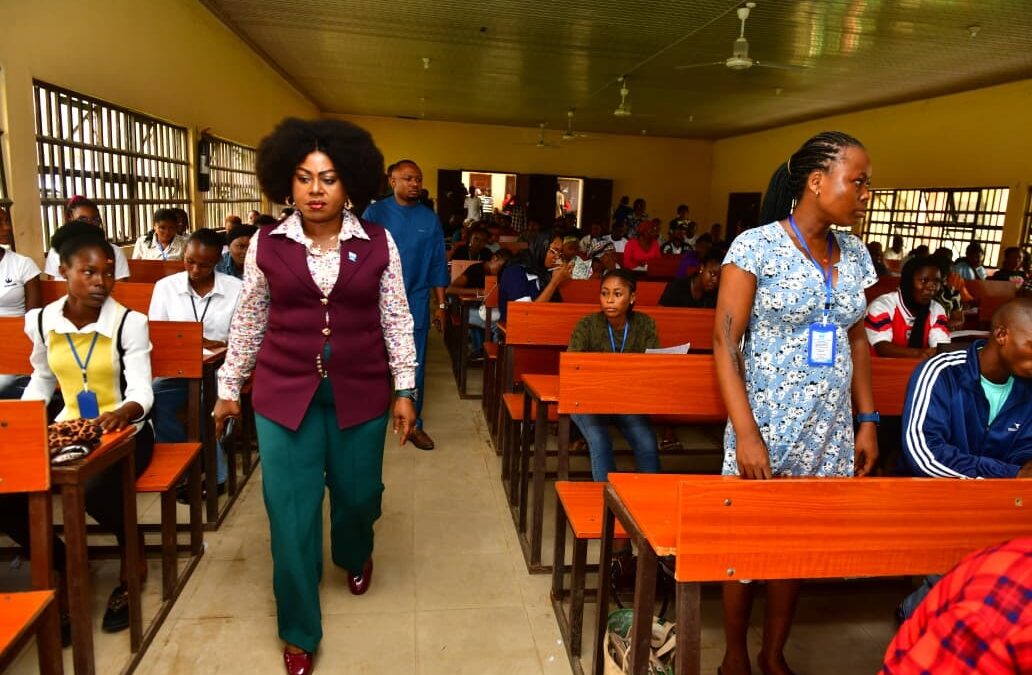
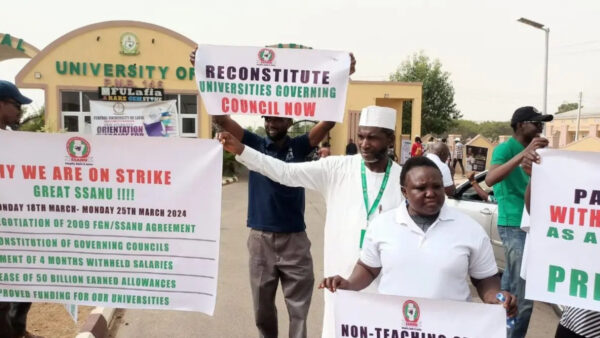
Academic staff at the University of Cross River State (UNICROSS) resumed their strike on Monday, November 2, 2026, 104 days after suspending an earlier action, with the local branch of the Academic Staff Union of Universities (ASUU) saying the government had not kept to the agreements that ended the first round. The UNICROSS strike puts lectures across the state university’s four campuses in Calabar, Obubra, Ogoja and Okuku at risk just as other Nigerian universities are settling into the 2026/2027 session.
The branch chairman, Dr Patrick Ushie, said “certain agreements reached before the suspension have not been implemented as agreed by the government”, and he made clear that the union doesn’t plan a quick return this time. “This time around, we are not going to suspend or call off the strike until our grievances are addressed,” he said in Calabar.
The July truce lasted just over three months
The UNICROSS branch first downed tools on May 19, 2026, in an indefinite strike over welfare and unimplemented agreements. It suspended that action on July 21 after an emergency congress at the Calabar campus, following a closed-door meeting at which the Vice-Chancellor, Prof. Francisca Bassey, led management and ASUU leaders to Governor Bassey Edet Otu. The Cross River State Government’s official news service said at the time that the governor had reaffirmed his administration’s commitment to addressing the concerns raised by the union.
The union now says those assurances didn’t turn into action. It has also said the government has not responded to the notices it sent before resuming the strike, and no official reply from the state had been made public by the time of writing.
Eleven demands, some dating back to 2011
ASUU UNICROSS has listed 11 demands. The most immediate ones concern pay. The union wants the academic staff salary structure and other welfare benefits implemented, monthly salaries paid by the third day of the following month, and outstanding salaries and arrears from the 35% and 25% wage awards that have applied since January 2023 cleared.
Other demands go back much further. The branch is asking for check-off dues it says have gone unremitted since 2017, which it puts at ₦11.9 million, along with deductions for December 2024 and November 2025. It also wants promotion arrears and earned academic allowances owed from July 2011 to December 2017 under the 2009 agreement paid. On top of the money, the union is pressing for the non-financial parts of the 2025 renegotiated agreement between ASUU and the Federal Government to be implemented at UNICROSS, and for more government funding for the university.
What UNICROSS students should do while lecturers stay away
Until the university itself says otherwise, students shouldn’t assume that tests, continuous assessment deadlines or exam dates have moved. The safest source for any notice on lectures, exams or hostel arrangements is the university’s official website, along with announcements passed through faculty and departmental channels. Students who live off campus and are thinking of travelling home should wait for a formal notice rather than acting on forwarded messages.
The action is local to UNICROSS, a state-owned university, and is separate from any national ASUU decision. It adds to a run of branch-level disputes this term, including the indefinite ASUU strike at LAUTECH and the five-day SSANU shutdown at Sokoto State University, both driven largely by unpaid arrears.
How long this round lasts now depends on whether the Cross River State Government and university management can put money and dates behind the July promises. With the union saying it won’t suspend the strike on assurances alone, a meeting that produces payment timelines is the development UNICROSS students will want to hear about first.





Join the conversation