

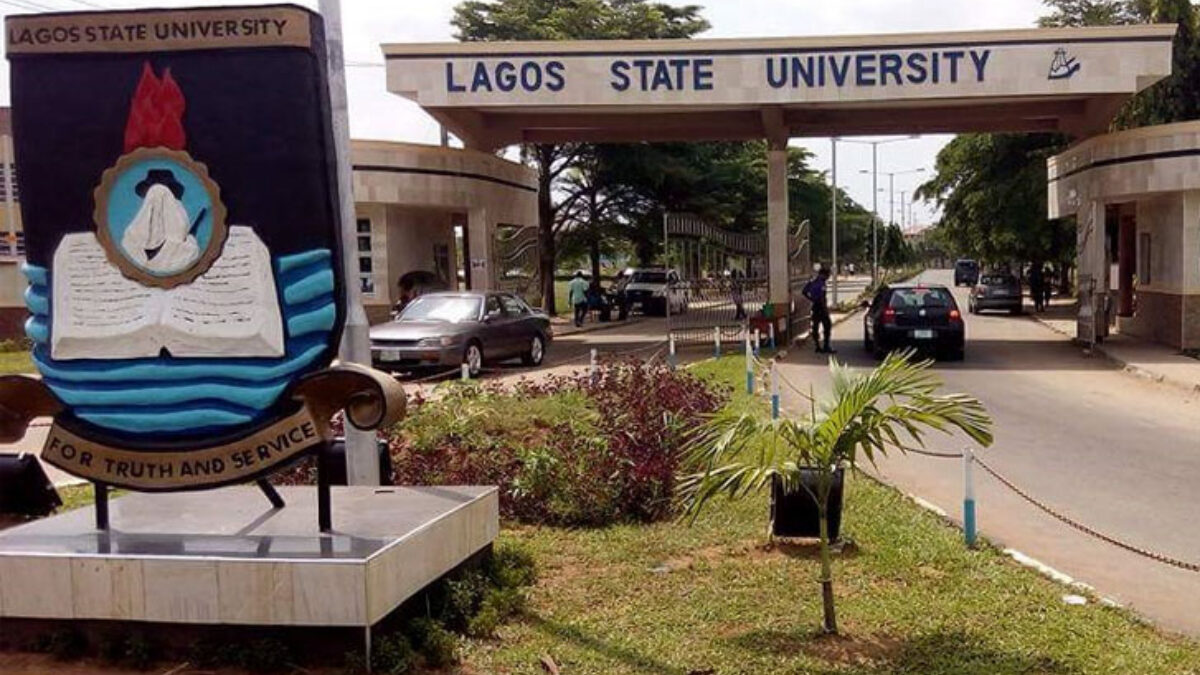
The LASU strike has been suspended. The Academic Staff Union of Universities (ASUU) branches at Lagos State University (LASU), Lagos State University of Education (LASUED) and Lagos State University of Science and Technology (LASUSTECH) called off their industrial action on Friday, October 9, 2026, and told lecturers to return to their classrooms with immediate effect.
The joint statement was signed by Olusegun Babalola, Coordinator of the Steering Committee of ASUU-LASU, Grace Abimbola, Acting Chairman of ASUU-LASUED, and Murisiku Onigemo, Chairman of ASUU-LASUSTECH. LASUED’s branch separately fixed Monday, October 12, as the day academic activities resume on its campus, after its congress voted on Thursday, October 8, that the action be suspended.
- Lagos approval letter signedSigned by the Commissioner for Tertiary Education
- LASUED ASUU congress votes to suspend
- ASUU suspends strike at all three universitiesImmediate return to classrooms
- LASUED academic activities resume
- First arrears instalmentOctober 2026 salaryPaid alongside October pay
- Second arrears instalmentNovember 2026 salaryPaid alongside November pay
Arrears dates are from the Lagos State Government's approval letter. Check your school's official channels for lecture and exam timetables.
What Sanwo-Olu approved to get lecturers back
The breakthrough came from a letter dated October 7, 2026, signed by the Lagos State Commissioner for Tertiary Education, Tolani Sule, and addressed to the unions at the three universities. In it, the state said Governor Babajide Sanwo-Olu had approved a 40% Consolidated Academic Tools Allowance (CATA), a 10% Earned Academic Allowance (EAA) and monthly professorial allowances, with ₦70,000 for Readers and ₦145,000 for professors. Non-academic staff get a 35% revision of their allowances.
The new allowances take effect from January 1, 2026, and the letter says they will be tax-free. Arrears are to be paid in two instalments with the October and November 2026 salaries. Sanwo-Olu thanked the unions, saying “I sincerely appreciate the unions for their patience, maturity and understanding during the negotiation period.”
ASUU says the struggle isn’t over yet
The suspension isn’t a full settlement. In their statement, the ASUU branches described the dispute as “Our struggle for improved staff welfare and the implementation of vital academic agreements” and said they would keep engaging the Lagos State Government until the outstanding welfare issues are fully resolved.
LASUED’s branch named what is still on the table, which includes salary for life for retired professors and other parts of the 2025 FG/ASUU Agreement that the state has yet to domesticate, as well as a proposed Lagos Factor Allowance. That means a fresh dispute can’t be ruled out if talks stall, so it’s worth following how the next few weeks go rather than assuming the matter is closed.
What LASU students should check before heading back
The ASUU statement covers lecturers only. The strike had also drawn in the non-teaching unions, with SSANU, NASU and NAAT joining ASUU earlier this month, and NASU members reportedly shut the universities’ main gates as recently as last Monday. The government’s letter was addressed to all four unions, but a formal suspension notice from SSANU, NASU or NAAT had not been published at the time of writing, and the statement did not mention LASUCOM.
Before you travel back to campus, check your department’s official group, your faculty notice board and the LASU website for revised lecture and exam schedules, since weeks of lost teaching time usually mean the academic calendar gets adjusted. LASUED has asked its students to monitor the school’s official channels for updates on lectures and examinations. If you’re on a NELFUND loan or hostel allocation, confirm that any deadlines tied to the semester haven’t shifted.
Students who followed the shutdown from the start, including the NANS 48-hour ultimatum to the Lagos government, will see this as the first real sign that classes can run normally again. The practical aim now is to get back into lectures quickly while keeping an eye on whether the non-teaching unions follow ASUU’s lead.





Join the conversation