

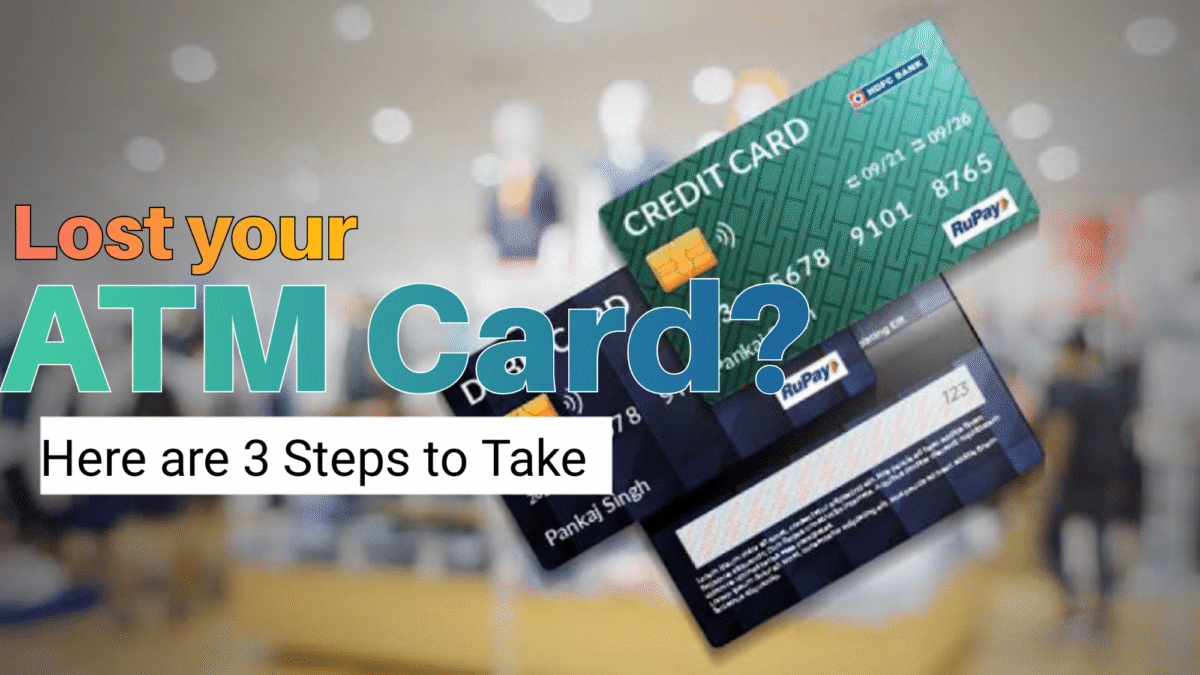
Block first, read after. Everything else on this page can wait a few minutes.
Important: There Is No Single Code for All Banks
You’ll see *966*911# passed around on WhatsApp and in older articles as though every Nigerian can dial it to freeze their account. That isn’t true.
*966*911# is Zenith Bank’s code. Zenith was the first Nigerian bank to launch this kind of emergency control code, and other banks followed with their own. The claim that it’s a universal code introduced by the CBN has been fact-checked and found misleading, but it keeps circulating anyway.
If you’re a GTBank or Access customer dialling Zenith’s code in a panic, you’re burning minutes you don’t have. Find your own bank below.
Emergency Block Codes by Bank
These are the codes commonly published for stopping debit activity when your card or phone goes missing. Dial from any phone.
| Bank | Emergency block code |
|---|---|
| Access Bank | *901*911# |
| Zenith Bank | *966*911# |
| GTBank | *737*51*74# |
| First Bank | *894*911# |
| UBA | *919*911# |
| Fidelity Bank | *770*911# |
| FCMB | *329*911# |
| Sterling Bank | *822*911# |
| Wema Bank | *945*911# |
| Keystone Bank | *7111*911# |
| Unity Bank | *7799*911# |
| Ecobank | *326*911# |
| OPay | *955*131# account, *955*132# card |
Banks do change these from time to time, and some maintain separate codes for blocking a card versus freezing the whole account. Treat this table as a starting point, not gospel. If a code doesn’t work, call your bank’s customer care line straight away rather than trying variations. Every bank prints that number on the back of the card and on its website.
If you bank with OPay specifically, our full OPay blocking guide covers the exact prompts you’ll see.
Freezing the Card and Freezing the Account Are Different
Worth understanding before you act, because picking the wrong one leaves a door open.
- Blocking the card kills the card only. ATM withdrawals, POS payments, and online purchases with that card number all stop. Your account keeps working normally for transfers and app payments.
- Freezing the account stops all debit activity across the board, including transfers from your app or USSD. It’s the right move if your phone is missing, since whoever has it may be able to reach your banking app or USSD profile.
Lost just the card? Block the card. Lost the phone too, or lost both? Freeze the account as well.
Why a Stolen Card Is Dangerous Even Without Your PIN
A lot of people assume that as long as nobody knows the PIN, the card is harmless. That’s no longer how card fraud works.
- Online purchases don’t need your PIN. The card number, expiry date, and the three digits on the back are enough on plenty of merchant sites. All of that is printed on the card itself.
- Contactless payments don’t need your PIN either. Most newer Nigerian cards support tap-to-pay, and small transactions go through without any verification at all. Repeated small taps add up quickly.
- Your details get sold on. Even if nothing happens in the first hour, card details can surface weeks later.
Which is why “I’ll check tomorrow whether it turns up” is the wrong instinct. Block now, unblock later if it reappears.
What to Do After the Block
1. Check your recent transactions
Go through your statement covering the whole period the card was missing, not just today. Look for small unfamiliar amounts as well as large ones, since testing a stolen card with a tiny purchase first is a standard move.
2. Report anything suspicious in writing
Call your bank, then follow up with an email or a written complaint at the branch so there’s a paper trail with a date on it. Disputed transaction claims move faster and go further when they’re documented early. Ask for a complaint reference number and keep it.
3. Get a police report if it was stolen
If the card was taken rather than misplaced, an extract from the police is worth having. Some banks ask for one when you dispute transactions, and it costs you nothing to have it on file.
4. Request a replacement
Most banks now let you request a new card in the app, though you’ll usually still collect it at a branch. There’s a replacement fee, and delivery typically takes a few working days to a couple of weeks depending on the bank and branch. Ask for the expected timeline when you request it so you can plan around being without a card.
5. Change your PIN
Do this if there’s any chance the PIN was compromised, not only if you’d written it down. If someone watched you enter it at a POS stand before taking the card, you’d never know.
6. Update anything that auto-charges the card
Streaming subscriptions, data plans, school fee instalments, anything on standing payment. Those will start failing once the card is blocked, so update them when the new card arrives rather than finding out through a service cut-off.
If Your Phone Went Missing With the Card
This is the worse scenario, because your phone is the key to almost everything else. On top of freezing the account:
- Block the SIM with MTN, Airtel, Glo, or T2. Your SIM receives the OTPs that authorise transactions everywhere else.
- Check every other money app you had logged in: OPay, PalmPay, Moniepoint, Kuda, any savings or crypto app.
- Secure your WhatsApp before someone starts messaging your contacts asking for money in your name. Reregister your number on another phone to sign them out, then turn on two-step verification.
One Piece of Old Advice to Ignore
You’ll sometimes read that you should change your bank account number if your card was stolen. Skip that. In Nigeria your account number isn’t a secret, since you hand it out constantly just to receive money, and banks don’t reissue account numbers on request anyway. Blocking the card and monitoring the account does the actual work.
Making This Less Painful Next Time
- Save your bank’s block code and customer care number somewhere that isn’t your phone. A written note at home, or with a family member.
- Turn on transaction alerts so you notice unusual activity within minutes rather than at month end.
- Use in-app card controls. Most Nigerian banking apps now let you toggle online payments, international transactions, and contactless on and off. Leaving international and online off until you need them shrinks the damage a lost card can do.
- Don’t keep your whole balance in the account the card is attached to. Move most of it somewhere that takes an extra step to reach.
- Never write your PIN on or near the card. Obvious, still common.
A few broader phone and data security habits are worth building in before you need them, particularly if you run money or business off your phone.
Frequently Asked Questions
Is *966*911# the code for all Nigerian banks?
No. It belongs to Zenith Bank. Every bank has its own emergency code, and the widely shared claim that this one works for everyone is inaccurate.
Can someone use my ATM card without knowing my PIN?
Yes. Online purchases usually need only the card number, expiry date, and the code on the back, and contactless payments go through without a PIN for smaller amounts.
Can I unblock my card if I find it?
Sometimes. If you used a temporary freeze in your bank app, you can usually reverse it yourself. A full block through USSD or customer care often means a replacement card, so ask before you choose which route to take, unless it’s stolen, in which case block it permanently.
How long does a replacement card take?
Usually a few working days to about two weeks, depending on the bank and branch. There’s a fee, and you’ll normally collect it in person.
Will I get my money back if someone spent from my card?
It depends on the circumstances and how quickly you reported it. Report immediately, get it in writing, keep your complaint reference, and escalate to your bank’s formal complaints process if you’re not getting anywhere.
Speed is the whole game here. Block the card, check your statement, report anything odd in writing, then sort out the replacement. And take two minutes today to save your own bank’s emergency code somewhere you can reach without your phone, because that’s the detail everyone wishes they’d handled beforehand.



Join the conversation