

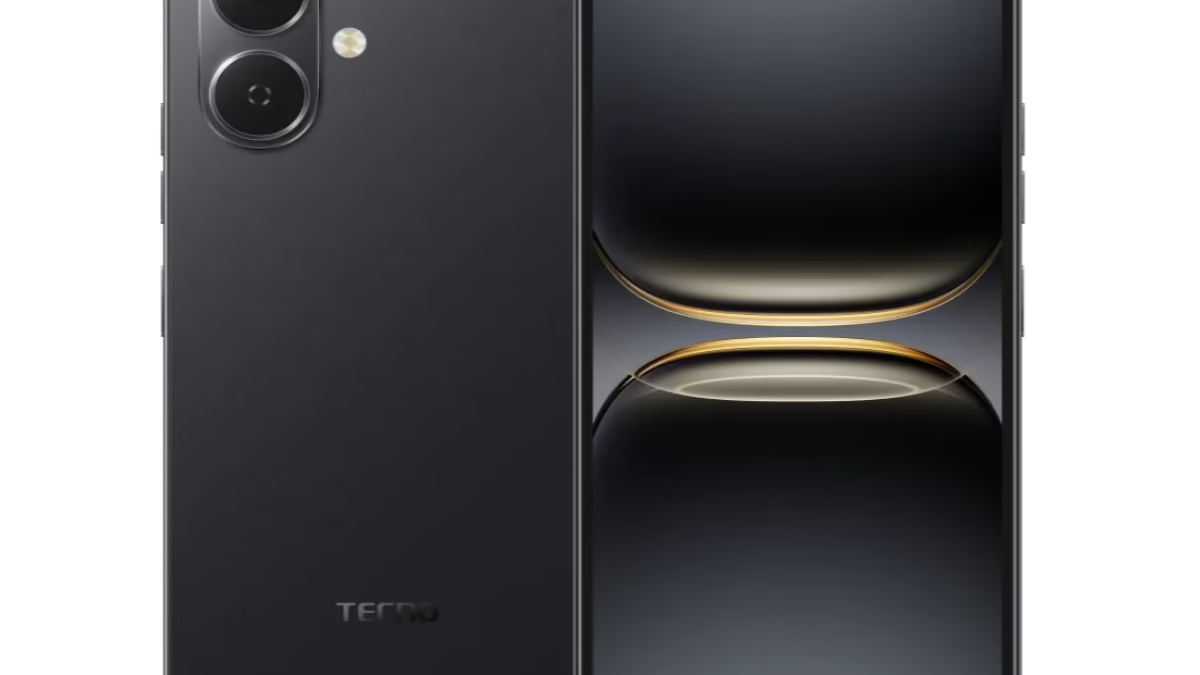
Walk into any phone shop in Nigeria with a tight budget and the Pop 10 is one of the first things a seller will push at you. It’s been out long enough now that we can be straight about what it does well, what it doesn’t, and whether the maths still works in your favour.
The Price Has Moved, And That Changes Everything
Start here, because this is the part that’s changed most since the Pop 10 launched.
When it first landed, the base 3GB/64GB model was going for roughly ₦65,000 to ₦75,000. That was a fair ask. Today, official Jumia listings put the same variant closer to ₦115,000, other trackers show it from around ₦103,000, and the Pop 10 range broadly sits between ₦115,000 and ₦135,000. Open-box and clean used units on Jiji start nearer ₦80,000.
That matters more than any spec on this page. At ₦70,000, the Pop 10 was a phone you bought because nothing else existed at that price. At ₦115,000, it’s competing directly with phones that will make it look slow. Check the actual price where you’re standing before anything else, because the whole value case rests on it.
What You’re Actually Buying
| Spec | Tecno Pop 10 |
|---|---|
| Display | 6.67-inch IPS LCD, 720 x 1600, 120Hz |
| Processor | Unisoc T7250 (12nm, up to 1.8GHz), Mali-G57 MP1 graphics |
| RAM | 3GB or 4GB, plus virtual RAM extension |
| Storage | 64GB or 128GB eMMC, microSD supported |
| Rear camera | 13MP with a tiny depth sensor, dual LED flash |
| Front camera | 8MP with dual flash |
| Battery | 5,000mAh, 15W wired charging, USB-C |
| Software | Android 15 Go Edition with HiOS |
| Extras | IP64, stereo speakers with DTS, IR blaster, side fingerprint sensor |
| Dimensions | 164.2 x 75.6 x 8.8mm |
Two things worth clearing up, because listings contradict each other.
The processor. You’ll see the T7250, the T615 and sometimes the T606 quoted for this phone. The T7250 and T615 are the same chip under two names, so that’s not really a difference. The T606 turns up in a handful of regional listings that may be describing a different variant. In practice you’re getting entry-level silicon either way.
The refresh rate. Tecno’s own spec sheet says 120Hz, and Nigerian retail listings agree. Some third-party sites list 90Hz on a 6.6-inch panel, which looks like a different regional model. Either way it’s above the 60Hz you’d normally get this cheap, and it’s the one spec that genuinely punches above the price.
The Screen Is the Best Thing About It
6.67 inches is a lot of screen, and 120Hz makes scrolling feel smoother than the price suggests. If you’re coming from an older budget phone, this is the difference you’ll notice first.
The resolution is 720p, not full HD. On a panel this size you can see it, text has visible edges and photos aren’t crisp, but for WhatsApp, scrolling and YouTube it’s fine.
Brightness is the real weakness. Under Nigerian midday sun you’ll be squinting and angling the phone to read anything. Indoors it’s perfectly usable.
Performance: Slow, But Predictably So
Let’s be honest about this. The phone is slow.
Apps take a few seconds to open. WhatsApp lags when you switch chats or load media. Instagram and X stutter as you scroll. There’s a pause between taking a photo and being able to view it. Fast typers will notice the keyboard falling behind.
Multitasking is where it really shows. Keep four or five apps open and the phone starts dumping them from memory, so they reload from scratch every time you come back. On the 3GB model this happens constantly.
Tecno’s answer is virtual RAM extension, which borrows storage to act as extra memory and lets them market the 3GB model as “6GB.” It helps a little with keeping apps alive in the background, but it is not the same as real RAM, and the eMMC storage it borrows from is slow. Don’t buy on the strength of that number.
Reviews of this phone genuinely split here. Some testers find it navigates acceptably for basic use; others find it frustrating. Both are fair, and which camp you land in depends almost entirely on what you’re used to. Coming from a feature phone or a five-year-old Android, it’ll feel like an upgrade. Coming from anything decent, it’ll feel like a downgrade.
Gaming is not on the table. Light stuff like Candy Crush runs. Anything more demanding either won’t install or will be unplayable.
The Camera Does the Minimum
13MP on the back with a small depth sensor alongside it, 8MP on the front, dual LED flash on both. The flash on the front is unusual at this price and does help for night selfies, even if it flattens faces.
In good daylight, photos are fine for WhatsApp and social media. Colours run oversaturated and detail is soft, but the picture is clearly recognisable and that’s mostly what people need.
Once the light drops, it falls apart quickly. Indoor shots come out noisy, evening shots are dark and mushy. Portrait mode is unreliable, it’ll blur an ear or leave the background sharp often enough that most people stop bothering. Video is shaky with washed-out colour.
If photos matter to you at all, this isn’t your phone. Our roundup of budget phones with good cameras in 2026 is a better starting point.
Battery Is Where It Earns Its Money
The 5,000mAh battery is the standout, and it’s not close.
On light to moderate use you’ll finish a full day with 25 to 35 percent still in the tank. Go easy on it and you’ll push into a second day. The same things that make it slow, a weak chip and a low-resolution screen, are exactly what make the battery last.
Charging is 15W, which is slow. Empty to full takes about two hours. You won’t mind much, because you’re not charging it as often as you would a faster phone. The USB-C charger is in the box.
Build, Storage and Software
Plastic back, plastic frame, and it feels like it. Lightweight, a bit hollow, no illusions of anything premium. Buy a case on day one, because it’ll scratch quickly.
The IP64 rating is a genuine plus for Nigerian conditions, dust and light rain won’t kill it, though it can’t be submerged. Stereo speakers instead of a single one make a real difference for videos, and the IR blaster is a small joy if you keep losing your TV remote. The side fingerprint sensor works, sometimes on the second try.
On storage: get the 128GB version if you possibly can. After the OS and preinstalled apps, the 64GB model leaves you around 50GB, and between WhatsApp media, a few social apps and photos, that disappears faster than you’d think. The microSD slot helps for media, but apps still install to internal storage. The eMMC storage type is slower than what you’d find on better phones, which you’ll feel when installing things.
Software is Android 15 Go Edition under HiOS. Go Edition is the stripped-back version of Android built for weak hardware, which is the right call here. The problem is what Tecno layers on top: preinstalled apps you didn’t ask for, promotional notifications, and a cluttered interface. Budget an evening to disable things. And don’t expect years of updates, one is optimistic.
Connectivity
4G LTE works properly on MTN, Airtel, Glo and T2. Calls are clear, WiFi and Bluetooth are reliable, GPS locks on in a moment. Dual SIM, though the second slot doubles as your microSD slot, so you’re choosing between two lines and expandable storage.
No 5G, which nobody should expect here and few people in Nigeria can use anyway.
Who This Phone Is Right For
Buy it if:
- You’ve found it well under ₦100,000 and that’s a hard ceiling for you.
- You’re buying for a parent, a child, or anyone who needs calls, WhatsApp and not much else.
- You want a backup or second line phone that won’t be worked hard.
- You’re replacing a feature phone or something genuinely ancient.
- Battery life is the only thing you care about.
Skip it if:
- You live on social media. The lag will wear you down.
- You take photos regularly.
- You play any games at all.
- You’re looking at prices above ₦110,000, where better options open up.
- You’re used to a phone that feels smooth.
What Else to Look At
Because of where prices have landed, the alternatives deserve a proper look rather than a footnote.
- The Tecno Pop 9 uses the same processor and often sells for less, so it’s worth pricing up if the Pop 10 has crept out of reach.
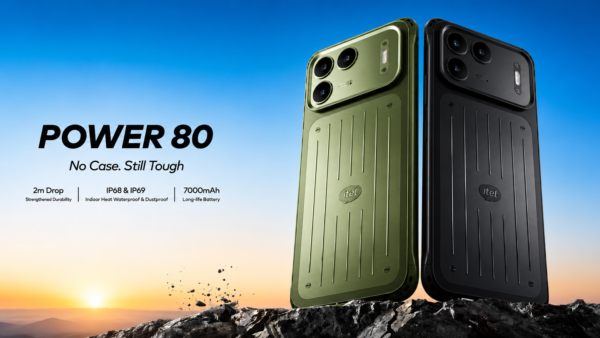
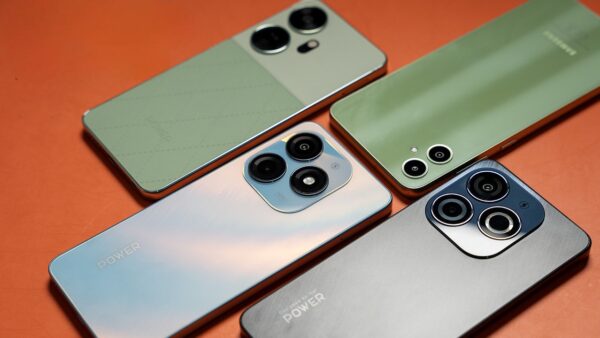
- The itel Power 80 targets the same buyer with a similar battery-first pitch.
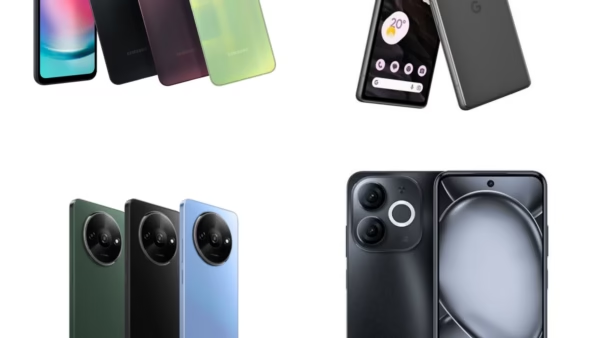
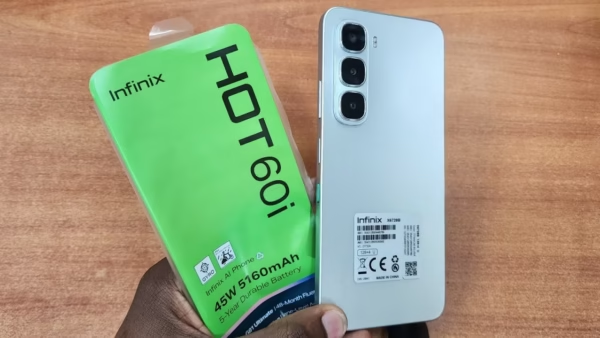
- The Tecno Spark 30C and Infinix Hot 60i sit a step up and feel noticeably better in daily use.
- A clean used or open-box phone from a year or two ago will usually outperform a new ultra-budget device at the same money.
Our top 5 budget smartphones for Nigerians in 2026 covers the wider field.
The Verdict
The Pop 10 delivers exactly what an ultra-budget phone delivers: it works, with compromises in every direction. The battery is genuinely good, the 120Hz screen is a real bonus at this level, and the stereo speakers, IP64 rating and IR blaster are more than you’d normally get.
Against that, it’s slow, the camera only just functions, 3GB isn’t enough for how phones get used now, and 64GB fills up fast.
At its old ₦70,000 price, that was a fair trade and easy to recommend to anyone on a hard budget. At ₦115,000 it’s a harder sell, because that’s roughly the money the older advice told you to save up to in order to escape phones like this. If you can find one closer to ₦80,000 or ₦90,000, it still makes sense for basic use. Much above that and you owe it to yourself to look at what else that money buys.



Join the conversation