


I bought two laptops before I got this right. Both developed faults within months, and both times I’d handed over money on the strength of a seller telling me the machine was fine.
So this is less about naming one shop and more about how to buy from any of them without repeating that.
Some links in this article are affiliate links. If you buy through them we may earn a small commission at no extra cost to you.
The Four Places People Actually Buy
Dedicated online stores
Stores that specialise in imported used laptops, test them before listing, and offer a limited warranty. Shopinverse is the one I use and the one I made the video below about.
You’ll usually pay a bit more than the cheapest market price, and what you’re paying for is that the unit was checked, that the specs in the listing are real, and that you have somewhere to go if it fails in the first month. For most people that trade is worth it.
The downside is that you can’t put your hands on the machine before it arrives, so the return window matters more than usual. Read it before you order.
Physical markets
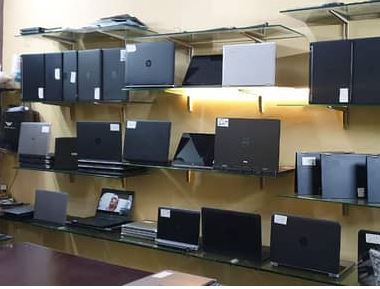
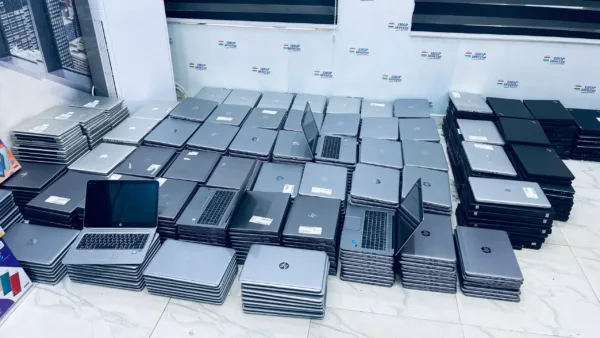
Computer Village in Ikeja is the biggest, and most Nigerian cities have their own equivalent. The advantage is real and significant: you can inspect the laptop properly, test everything, and negotiate.
The risk is that quality varies enormously stall to stall, warranty is usually verbal, and a seller you can’t find again next week has little reason to stand behind anything.
If you go this route, go with someone who knows laptops, go in the morning when it’s calmer, and be prepared to walk away. There’s always another stall.
Marketplaces like Jiji and Jumia
Often the cheapest listings, and often exactly why. Anyone can post, descriptions are frequently copied and pasted, and refurbished units get advertised as clean.
It can work if you treat it as buying from an individual rather than a shop. Insist on payment on delivery, meet in a public place in daylight, bring someone with you, and check the seller’s other listings and reviews before you go.
Direct importers
People who bring stock in themselves and sell through WhatsApp or Instagram. Prices can be very good because you’re skipping a layer.
You’re also relying entirely on the person’s reputation, since there’s no platform, no policy and no escrow. Only worth it if they were recommended by someone you actually know, not by a stranger in a comment section.
How to Vet Any Seller
The same questions work everywhere, and how a seller answers them tells you most of what you need.
- Ask for the full processor model number, not just “Core i5”. A seller who won’t give it either doesn’t know or doesn’t want you to.
- Ask what the warranty covers and for how long. Get it in writing, even if that’s just a WhatsApp message you screenshot.
- Ask for a video of the laptop running if you’re buying remotely, showing the system information screen and the battery report.
- Check how long they’ve been trading. Look at their social pages, their oldest posts, and whether real customers appear in the comments.
- Ask what happens if it fails in week one. The hesitation, if there is one, is the answer.
And a hard rule: never pay in full before you or someone you trust has seen the machine working. Partial deposits are reasonable. Full payment to a stranger on the promise of delivery is how people lose money.
What to Insist On, Whoever You Buy From
Get these right and you’ve avoided most of what goes wrong.
- 8th generation Intel or newer. This is the cutoff for official Windows 11 support, and Windows 10 stopped getting security updates in October 2025. You’ll see 6th and 7th gen machines advertised with Windows 11 installed via workarounds, and those don’t get guaranteed updates. Read the generation from the model number: i5-8250U is 8th gen, i5-7200U is 7th.
- 8GB of RAM minimum, 16GB if you code or design.
- SSD, never HDD. 256GB minimum. An HDD makes a Core i7 feel ancient.
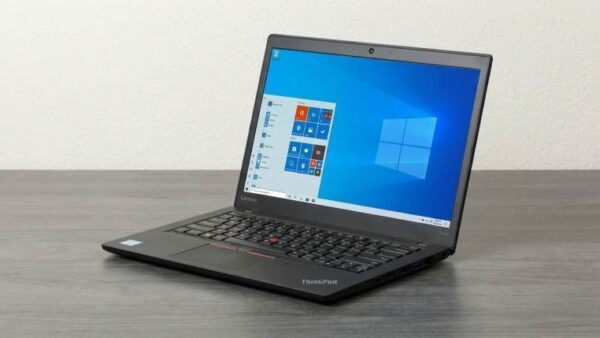
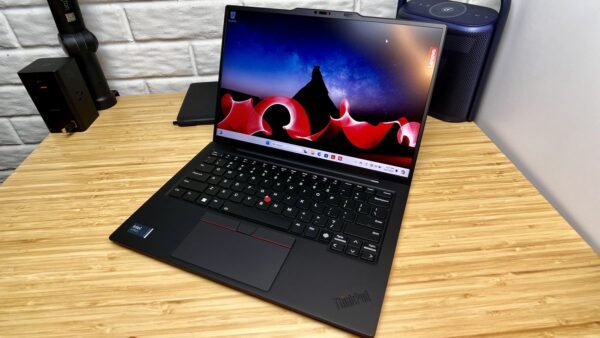
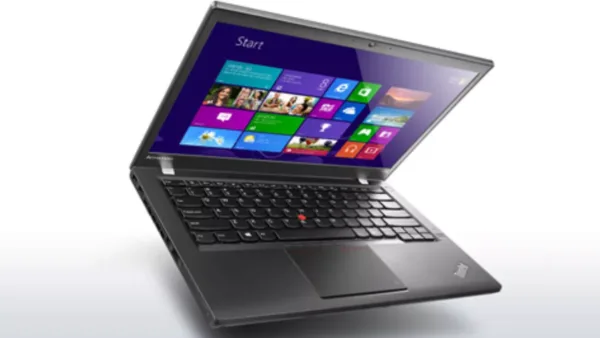
- Business models. HP EliteBook, Dell Latitude, Lenovo ThinkPad. These were built for daily office use. Consumer lines like the HP Pavilion and Dell Inspiron have plastic hinges that crack, and they’re common second-hand for exactly that reason.
- 1920 x 1080 screen if you can. Plenty of older business laptops are 1366 x 768, which gets cramped fast.
Before you pay, run through the full inspection in our guide on what to check before buying a UK used laptop. It covers the battery report command that shows real battery health, plus BIOS locks, Windows activation and the rest. Our breakdown of what a good UK used laptop costs in Nigeria gives you the price bands to judge any quote against.
Where I Buy, and Why
After the two bad experiences, I moved to buying from a store that tests units and offers a warranty, and I’ve stayed there.
You can check the available UK and USA used laptops on Shopinverse, and use coupon code CHRISTOPHEREBEH at checkout for a discount. Apply it before payment.
That’s a recommendation based on my own use rather than a claim that no other seller is good. Plenty of honest sellers exist in Computer Village and elsewhere. The point is to buy somewhere you can go back to.
How the Ordering Process Works
I recorded my own order start to finish, so you can see what the process actually looks like before you go through it.
Decide What You Need Before You Shop
This sounds obvious and it’s the step most people skip, which is why they end up with whatever the seller most wanted to move that day.
Walking in with “I want a good laptop for around ₦250,000” invites a sales pitch. Walking in with “8th gen or newer Core i5, 8GB RAM, 256GB SSD, business model, under ₦280,000” is a completely different conversation, and sellers treat you differently once they realise you know what you’re asking for.
Work out what the laptop is for first. Typing and browsing needs far less than Android Studio or Adobe software, and paying for power you won’t use is its own kind of waste.
If you’re weighing this against buying new, our comparison of UK used versus brand new laptops in Nigeria covers where each one genuinely wins, and if you’re a developer, our roundup of UK used ThinkPads for Nigerian developers narrows it down further.
There’s no single shop that’s right for everyone. What matters is buying somewhere you can return to, inspecting before you pay, and holding the line on 8th generation or newer. Get those three right and it stops mattering much which of the four routes you take.




Join the conversation