

Walk into any computer market in Nigeria and you’ll be pushed in one of two directions. Most people assume brand new must be better. In terms of raw performance for the money, it usually isn’t. But that’s not the whole story, and the parts people leave out are the ones that decide whether you’re happy with the laptop a year later.
Some links in this article are affiliate links. If you buy through them we may earn a small commission at no extra cost to you.
What “Brand New” Actually Means at Nigerian Prices
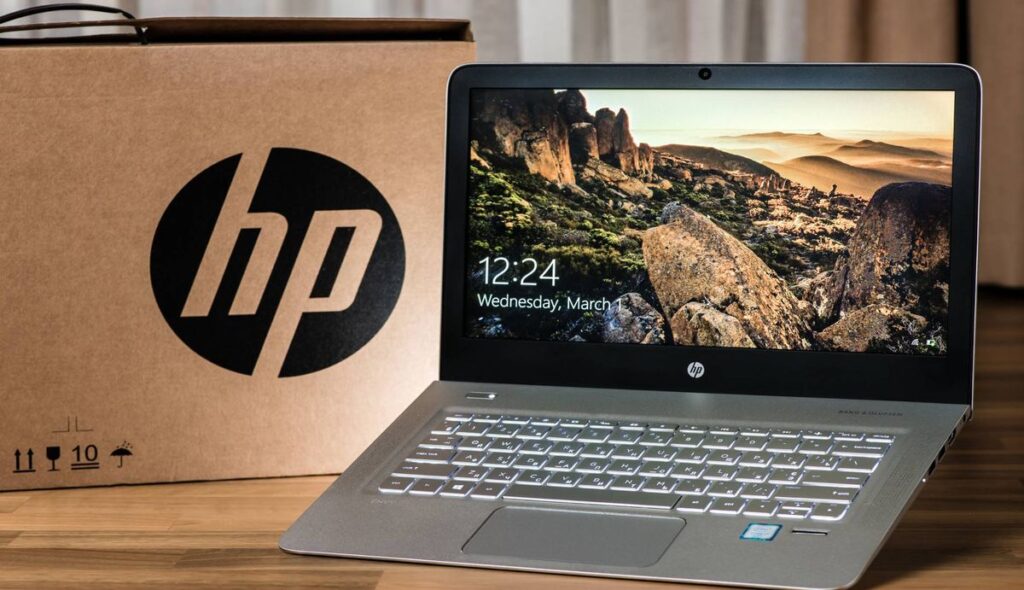
Here’s the thing that catches people out. In the ₦250,000 to ₦400,000 range, a brand new laptop in Nigeria is almost always an entry-level machine dressed up nicely.
Look at what’s actually on the shelves at that price and you’ll find Intel Celeron N4000 processors, 4GB of RAM, and 256GB of storage in a plastic body. Sometimes an HDD instead of an SSD. These machines are sold new with a warranty, and they will genuinely struggle with Zoom and a browser open at the same time.
That’s not a scam. It’s just what the money buys new, because you’re paying for the newness rather than the components.
What UK Used Actually Means
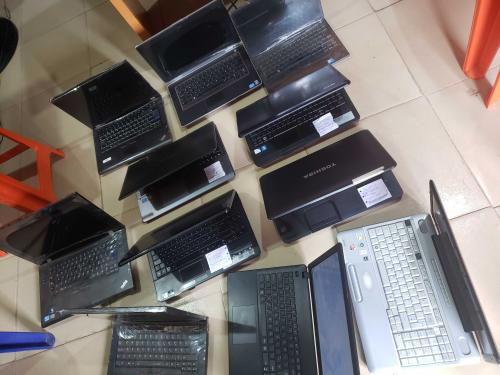
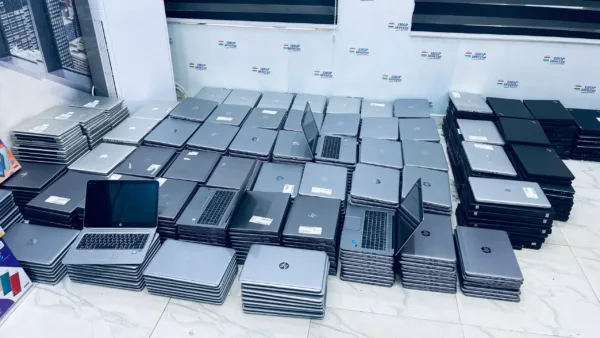
UK used laptops are machines previously used in offices in the UK, Europe or the US, then retired and exported. They aren’t scrap. Companies replace fleets on a schedule, not because the laptops stopped working.
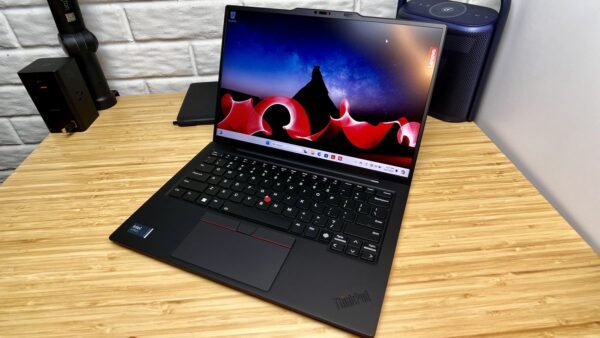
That’s why the good ones are business models: HP EliteBook, Dell Latitude, Lenovo ThinkPad. These were built to survive daily use in an office for years, with metal or magnesium bodies, spill-resistant keyboards and serviceable parts.
One important caveat that applies within the used market itself. Stick to the business lines. Used HP Pavilion and Dell Inspiron models are consumer machines with plastic hinges that crack, and they’re common on the second-hand market precisely because people offload them.
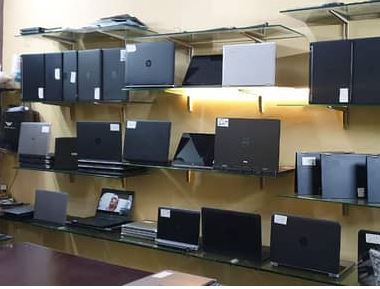
You can see available UK used laptops on Shopinverse to get a sense of what the market looks like.
Performance: UK Used Wins Comfortably
This part isn’t close.
A UK used ThinkPad T490 with a Core i5, 8GB of RAM and an SSD will outperform a new Celeron laptop at the same price by a wide margin. Faster boot, apps that open immediately, no freezing when you have a few tabs and a document open.
The build quality gap is just as real. Business laptops have better keyboards for long typing sessions, sturdier hinges, and bodies that survive being carried around daily. This is why so many people find their budget new laptop starts developing problems after about a year while an older ThinkPad keeps going.
Where Brand New Genuinely Wins
Four things, and depending on your situation any one of them can outweigh the performance gap.
Warranty. A new laptop comes with a full manufacturer warranty, typically a year, honoured at service centres. A UK used laptop from a good store comes with a limited store warranty, often around 30 days. That’s a real difference in exposure, and it matters most if you can’t absorb a repair bill.
Battery. This is the one that surprises people. Used laptop batteries are almost always degraded, and budgeting an extra ₦30,000 to ₦50,000 for a replacement is realistic rather than pessimistic. A new laptop gives you six hours or more from day one.
If you’re a student in a hostel without steady light, or you work through long outages, that battery matters more than processor speed. A fast laptop that dies in ninety minutes is worse than a slow one that lasts your whole day.
Windows 11 and updates. Windows 10 stopped receiving security updates in October 2025, and Windows 11 officially needs an 8th generation Intel processor or newer. Every new laptop clears that bar. Plenty of UK used stock doesn’t, so if you go used, insist on 8th gen or above.
No hidden history. New means no previous owner, no BIOS password someone forgot to remove, no worn hinges, and a keyboard that hasn’t had four years of someone else’s typing.
Price and Spec Comparison
| Budget | Brand new gets you | UK used gets you |
|---|---|---|
| ₦200k to ₦300k | Celeron or Pentium, 4GB RAM, small SSD, 1-year warranty | Core i5 7th to 8th gen, 8GB RAM, 256GB SSD, metal body |
| ₦300k to ₦400k | Core i3, 8GB RAM, 256GB SSD, decent battery | Core i5 or i7 8th to 10th gen, 8GB or 16GB RAM, backlit keyboard |
| ₦400k to ₦600k | Core i5 current gen, 8GB RAM, good battery and screen | Core i7 10th gen or newer, 16GB RAM, 512GB SSD, premium build |
Notice that the gap narrows as the budget rises. At ₦250,000 the used option wins overwhelmingly. At ₦600,000 a new laptop starts looking genuinely competitive, because at that price new stops meaning entry-level.
You can check current UK used laptop prices on Shopinverse to compare against what you’re being quoted locally, and our breakdown of what a good UK used laptop costs in Nigeria goes deeper on the bands.
So Which One Should You Buy?
Go UK used if you need real processing power on a fixed budget, you’re a developer, designer, student or business owner running demanding software, you have reasonably steady power or a backup, and you’re buying from a seller who tests units and gives you some return window.
Go brand new if your power supply is unreliable and battery life is the deciding factor, you can’t afford an unexpected repair and want the warranty, you only do light work like typing, browsing and email, or you’re buying for someone who won’t be able to troubleshoot problems themselves.
And if your budget stretches past about ₦600,000, the argument mostly dissolves. At that level new laptops are properly specced and the used advantage shrinks to a matter of preference.
If You Go Used, Check These Before Paying
- Processor generation. 8th gen or newer, in writing. Ask for the full model number, not just “Core i5”.
- Battery cycle count and real runtime. Ask how long it holds unplugged. Budget for a replacement if the answer is vague.
- SSD, never HDD. An HDD will make a Core i7 feel slower than a decade-old machine. 256GB minimum.
- BIOS access. Some ex-corporate machines arrive with BIOS passwords still set, which can be a nightmare to clear.
- Keyboard layout. Many imported units have US layouts with no naira sign, which is a small annoyance you’ll notice daily.
- Hinges, ports and screen. Open and close it a few times, plug something into every port, and look for dead pixels.
Our full checklist on what to check before buying a UK used laptop covers each of these properly, and where to buy reliably covers vetting the seller.
A Discount If You Buy From Shopinverse
Shopinverse tests its units and includes a 30 day limited warranty, which is more protection than you’ll get from most roadside sellers.
Use coupon code CHRISTOPHEREBEH at checkout for 5 percent off, and apply it before payment. You can buy directly from Shopinverse here.
For most Nigerians on a budget under ₦400,000, a UK used business laptop is the better buy, and it isn’t a close call on performance. Just go in knowing you’re likely trading warranty and battery life for that power, and budget accordingly. If either of those two things is what your situation actually depends on, brand new is the honest answer instead.







Join the conversation