

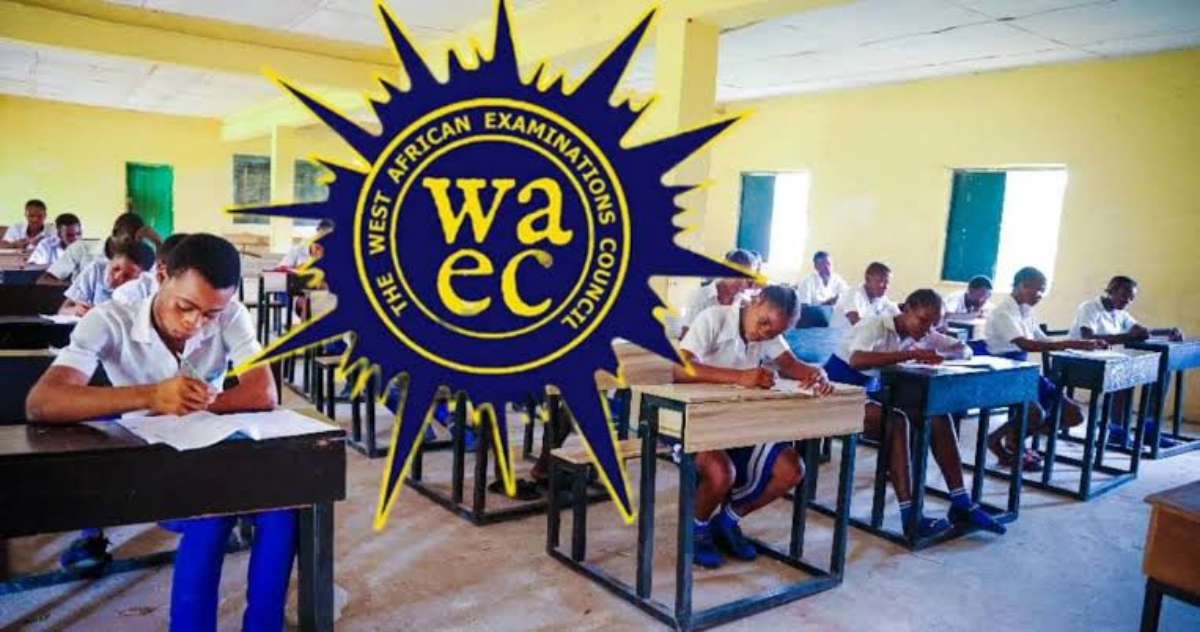
The West African Examinations Council (WAEC) has opened 2027 WASSCE registration for school candidates and confirmed that the exam will be written in hybrid mode, part on computer and part on paper. The council announced it on its official account on Tuesday, November 17, 2026, and asked schools to finish uploading their students’ Continuous Assessment scores promptly and keep to every registration deadline it sets.
For SS3 students, this means the clock has started on next year’s exam, even though WAEC hasn’t published a closing date, a fee or a timetable yet. Your school does the registering, so the most useful thing you can do now is make sure your details are right before they go in.
WASSCE for School Candidates, 2027: Registration is now open! WAEC is making examination preparation smarter and more accessible.
What hybrid mode means for your papers
WAEC’s notice was short and direct about the format, saying “Important: The 2027 examination will be conducted in hybrid mode.” It didn’t explain which parts of each paper will be on screen.
The council has used a hybrid setup for private candidates since 2024. In that version, candidates answer the objective questions on a computer, while essays and practicals are still written by hand. WAEC hasn’t said the 2027 school exam will follow exactly the same pattern, so wait for its guidelines before assuming anything about your own subjects.
This isn’t WAEC’s first big move toward computers for school candidates. The 2026 WASSCE for school candidates was run as a computer-based exam, with WAEC reporting 1,959,636 candidates from 24,207 schools taking part.
The fee question parents keep asking
WAEC’s registration notice did not state a fee for 2027. Many parents still remember the ₦50,000 figure from June, when the Federal Ministry of Education approved a uniform ₦50,000 fee for WAEC and NECO school candidates from 2027. The ministry withdrew that approval in a statement on July 13, 2026 after public criticism, and said it would consult exam bodies, states, school owners, parents and other stakeholders first.
So if anyone tells you the 2027 fee is ₦50,000, ask where it came from. Until WAEC or the ministry announces a new figure, the fee your school collects should match whatever official instruction it has received, and in states that pay WAEC fees for public school students, check with the school before paying anything.
Get these right before your school submits your entry
School candidates don’t register on their own. Your school’s examination officer handles the entry, which is why mistakes made now can follow you to your certificate. Before your school submits, check these with the examination officer:
- Your full name, spelt exactly as it is on your birth certificate and NIN record
- Your date of birth
- The subjects you’ll sit, matched to the course you plan to study after school
- Your passport photograph, if the school is capturing it during registration
- That your Continuous Assessment scores have been uploaded, since WAEC asked schools to do this promptly
Your subject choice matters for more than WAEC. JAMB is tightening its own rules for 2027, as we reported when JAMB’s new app started blocking wrong subject combinations, and the exam calendar may be tighter too, with UTME 2027 possibly starting in March.
More students will be sitting it than ever
The 2027 exam also comes with a new rule that every secondary school leaver must sit WAEC or NECO, which we covered when the compulsory exam policy was announced. If you’re in SS3 now, you’re in the first set affected by both changes at once.
WAEC hasn’t said when registration closes. In past years it has extended deadlines, but schools that wait for an extension risk rushing student data at the last minute. Ask your school this week when it plans to submit, and use the time before then to practise answering objective questions on a computer, since part of your 2027 exam will be on screen.





Join the conversation